
Gloves & Protective Clothing
Nitrile vs Neoprene: Chemical Resistance Comparison
Nitrile and neoprene are top chemical resistant gloves. Nitrile handles oils and light acids better. Neoprene resists polar solvents and alkalis. Pick based on the
Explore practical guides on choosing gloves and coveralls based on chemical resistance, heat, and abrasion.
Nitrile and neoprene are top chemical resistant gloves. Nitrile handles oils and light acids better. Neoprene resists polar solvents and alkalis. Pick based on the

Glove degradation often signals chemical attack on the material. Identify symptoms like swelling or discoloration, cross-reference solvent types with glove chemistry

Premature glove failure usually stems from mismatched materials, improper sizing, or process errors. This guide maps common symptoms to specific causes and offers direct

Verify chemical resistant gloves before purchase by checking the material type, testing standards, and supplier documentation. A structured audit prevents incorrect

PPE trends point toward lighter materials, integrated sensing, and durable composites. These shifts change how protective gear protects workers and how procurement teams
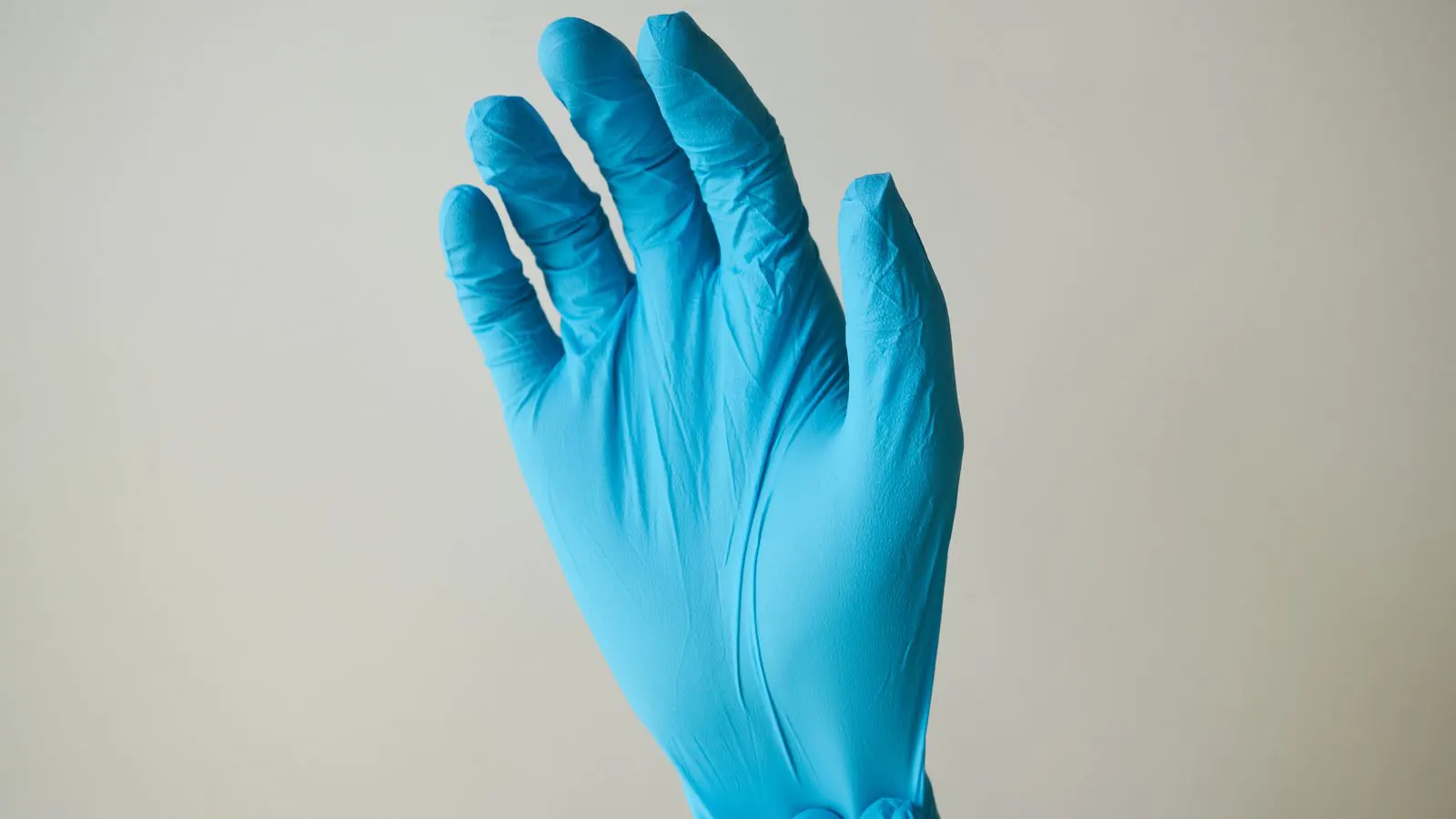
Nitrile gloves offer superior chemical resistance and puncture strength for most industrial tasks, while latex remains a viable option for specific low-exposure

Effective protective clothing selection starts with identifying the dominant hazard on the job site. This guide breaks down how to evaluate coveralls and garments based
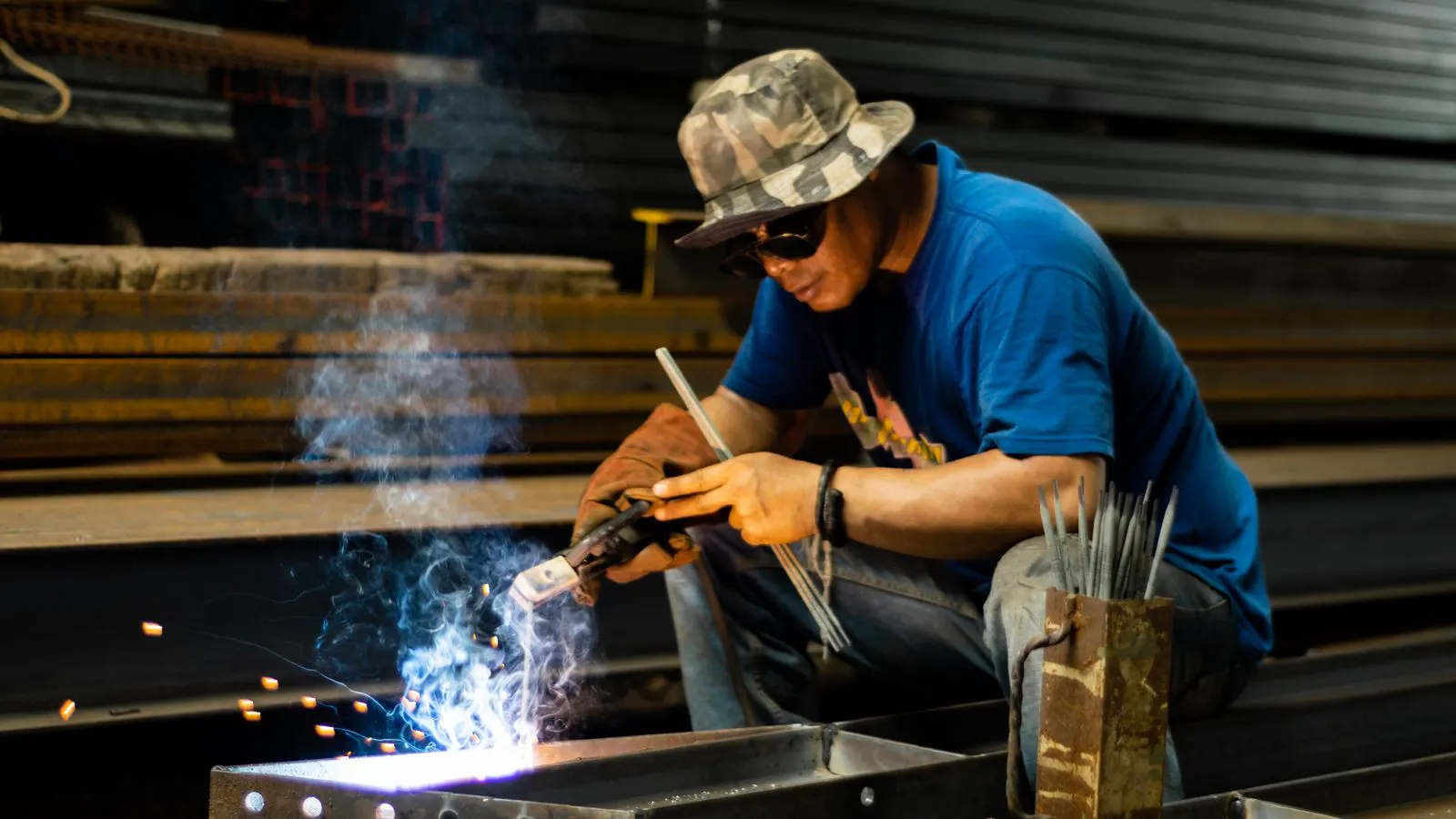
To select heat resistant gloves, you must define the temperature range and contact time. Then choose a material for abrasion resistance. Fit and comfort must be checked.

Accurate glove cost and lead time budgeting requires mapping material prices, production capacity, and shipping lanes. Procurement teams must account for raw material

Procurement teams must match chemical resistant gloves to specific substances and exposure conditions. Key factors include material compatibility, chemical resistance