
Gloves & Protective Clothing
Explainer: Glove Break-Through Testing Methods
Glove testing measures how long a material blocks a chemical. Key methods include breakthrough time, permeation rate, and tensile strength. Buyers must match these data
Clear specs, honest cost, and verified safety PPE for buyers

Buying PPE requires matching specs to site risk, verifying certification documents, and negotiating terms that fit your supply chain. This site breaks down those decisions without vendor bias.
It covers head and eye protection, gloves, clothing, footwear, and respiratory gear. Each section explains materials, testing methods, and typical failure points so buyers can ask the right questions during sourcing.
Start with the stage of the sourcing process you are in.
Find guides on helmets, face shields, and safety glasses to match your work environment and hazard risks.
Explore practical guides on choosing gloves and coveralls based on chemical resistance, heat, and abrasion.
Learn how to select respirators and filters for dust, gas, and vapor exposure in industrial settings.
Discover how to choose safety boots with the right protection against impact, compression, and electrical risk.
Understand key PPE standards, marking, and certification labels to verify product compliance for your market.
Get clear explanations of how pricing and minimum order quantities work when sourcing PPE in bulk.
Use practical checklists to evaluate PPE suppliers on reliability, documentation, and product fit.
Glove testing measures how long a material blocks a chemical. Key methods include breakthrough time, permeation rate, and tensile strength. Buyers must match these data

Industrial safety boots pricing and delivery vary by material, standard, and volume. Understanding cost drivers and supply chain variables helps buyers write better RFQs

PPE procurement is changing due to digital traceability, regulatory pressure, and supply chain volatility. This outlook identifies five key shifts. It explains how

Proper fitting of electrical safety footwear requires checking voltage ratings, measuring feet accurately, and verifying compression and impact protection. This guide
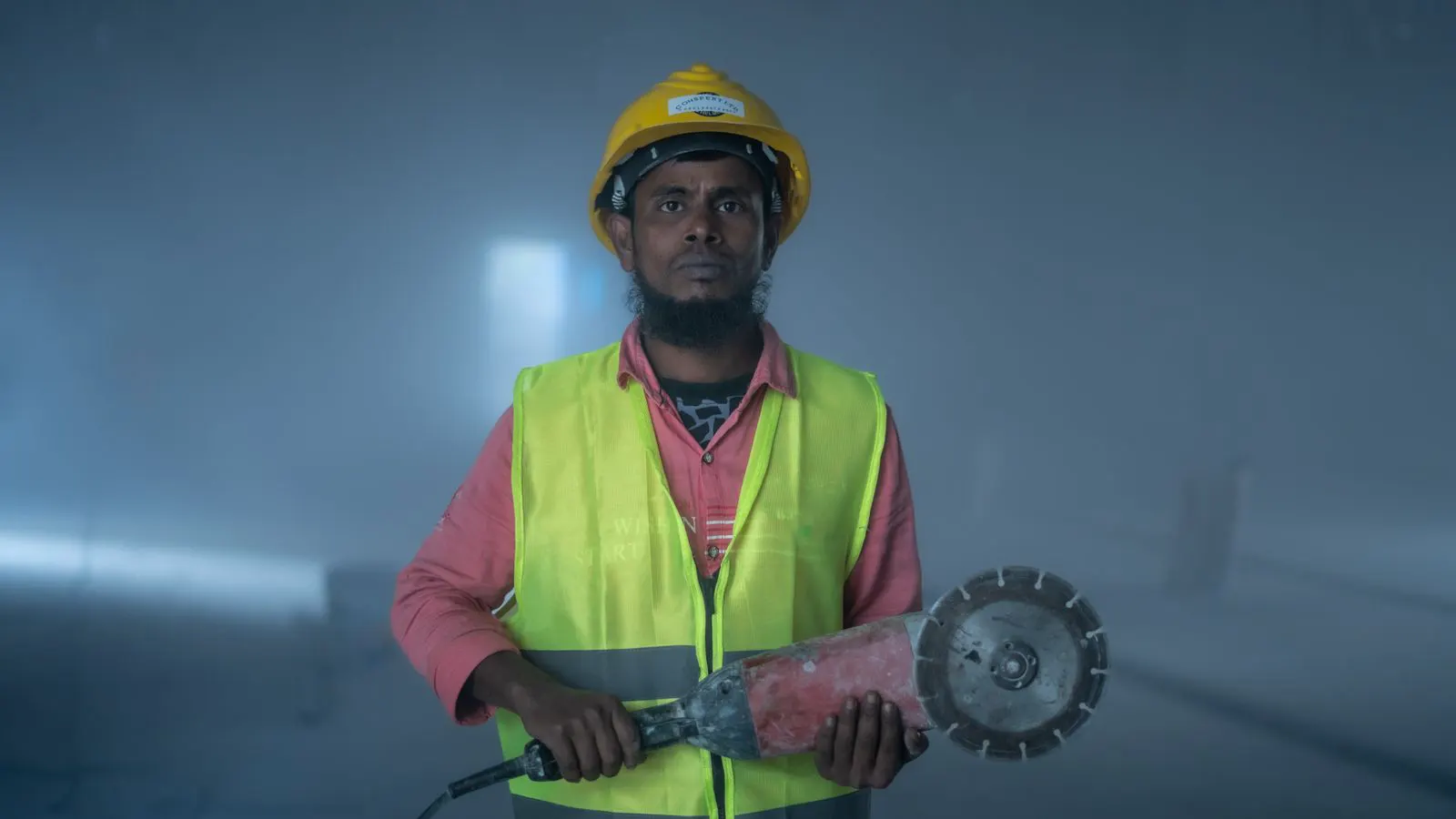
Head protection works through three physical mechanisms: stopping impact, dispersing force, and preventing electrical contact. Standards test these mechanisms to certify

Evaluate disposable respirator fit, filtration class, and pressure drop before purchase. Match the model to expected dust exposure and task duration. Check certification

PPE pricing will become more volatile and transparent. Buyers should plan for material cost swings, stricter certification costs, and supply chain diversification.

Custom glove procurement involves balancing material selection, volume, and delivery speed. Understanding the manufacturing process and writing precise RFQs helps buyers

Sourcing bulk PPE requires balancing unit cost against quality, lead times, and compliance. Evaluate suppliers on material consistency, certification validity, and MOQ
Request test reports from accredited laboratories. Check that the certificate matches the specific model, size range, and standard cited in the purchase order.
Buyers often skip material compatibility checks. Confirm the chemical or mechanical hazard matches the glove material before finalizing a bulk order.
Minimum order quantities influence unit cost and lead time. Smaller lots may carry higher per-unit pricing but reduce storage risk.
Verify toe protection standards, sole slip resistance ratings, and weight limits. Request size charts and try on samples to ensure fit for your workforce.
Review specifications annually or when site risks change. New materials or regulations may alter compliance requirements for existing equipment.
Ask for test certificates, material safety data sheets, and compliance declarations. This helps validate quality and simplifies internal audits.