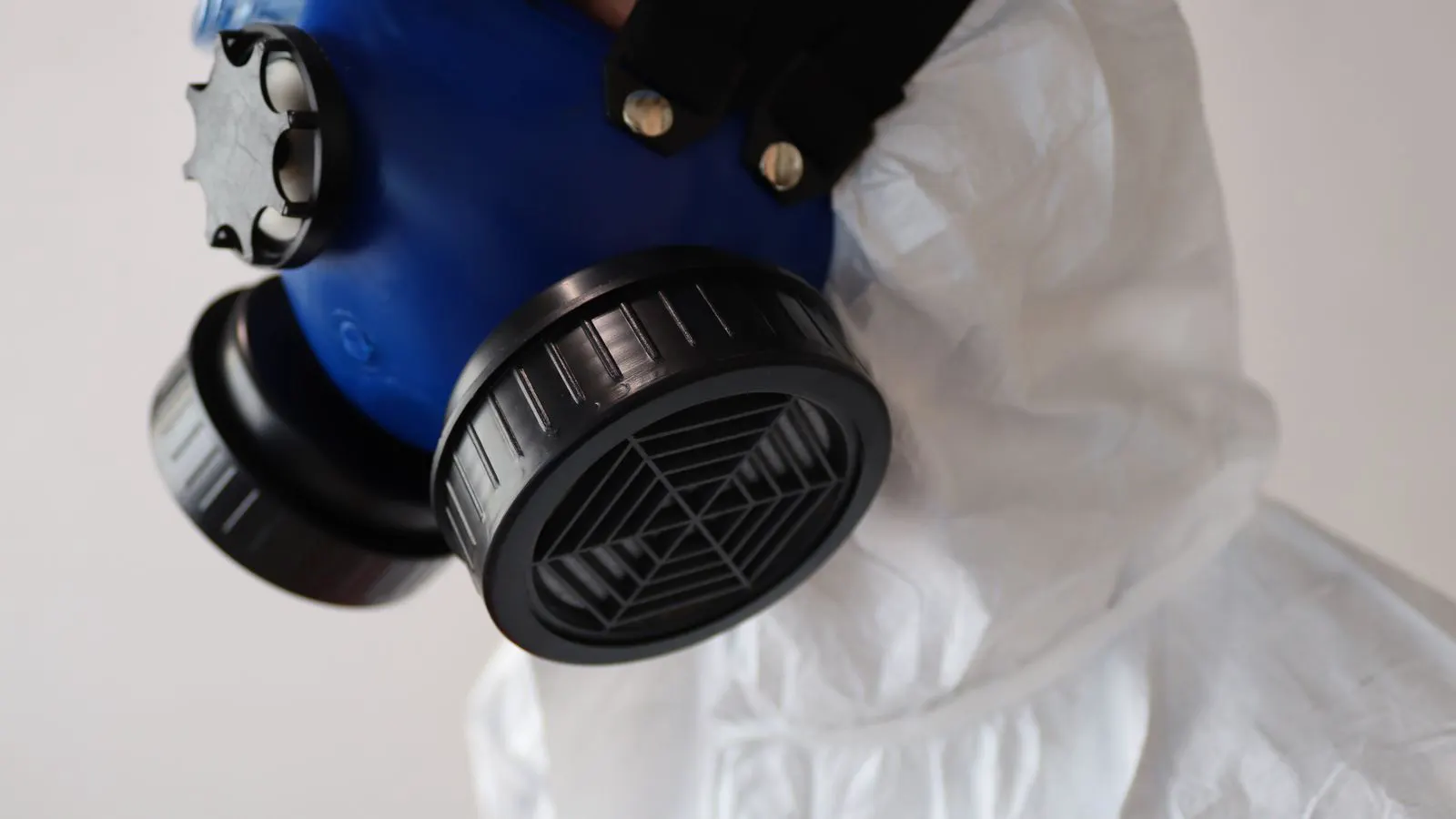
Buyer's Guide to Disposable Particulate Respirators

Evaluate disposable respirator fit, filtration class, and pressure drop before purchase. Match the model to expected dust exposure and task duration. Check certification marks and keep spare cartridges for consistent protection during work shifts.
- Select respirator models based on fit type and the expected duration of dust exposure.
- Verify filtration class and certification marks for the specific dust or particulate hazard.
- Replace cartridges when breathing resistance increases, even if the visible media still looks clean.
- Keep spare parts and a fit testing procedure available to maintain protection reliability.
- Review task conditions such as heat, humidity, and physical effort before finalizing the purchase.
Disposable particulate respirators are common in construction, manufacturing, and maintenance work where airborne dust, fumes, or mists create a respiratory hazard. They are often the first line of defense when engineering controls cannot remove the dust at the source. Choosing the right model requires more than picking the lowest price. The device must fit the wearer, filter the right type of contaminant, and remain comfortable enough to keep on for a full shift.
This guide walks through the factors that matter when purchasing disposable respirators. It covers fit types, filtration ratings, pressure drop, and maintenance practices. The goal is to help buyers make a defensible selection that protects workers and fits the operational requirements of the site.
What Respirator Types Match Your Exposure
The first decision is the physical form of the respirator. Disposable respirators come in two main styles: half masks and full face. A half mask covers the nose and mouth, leaving the eyes exposed. A full face mask covers the nose, mouth, and eyes. The choice depends on the hazard, the task, and the wearer comfort.
Half masks are lighter and easier to communicate in. They suit tasks where eye protection is handled by separate goggles or safety glasses. Full face masks provide a single barrier for both the eyes and the respiratory tract. They are preferred in environments with irritant dusts, mists, or where chemical vapors are present.
Respirator types also differ in filtration class. Filter media are rated for different particle sizes and concentrations. In dust protection scenarios, the filtration class must match the expected exposure. A lower class may offer limited protection against very fine particles. A higher class filters more, but it also increases breathing resistance. Buyers should match the class to the actual dust concentration and type, not to the worst case scenario.
How to Evaluate Fit Before Purchase
Fit determines whether the respirator performs as designed. A poorly fitting mask leaks air around the face, reducing protection. For disposable models, the fit is often a simple seal against the nose and cheeks. The wearer must be able to form a tight seal without excessive force.
Fit testing should happen before the mask is used in a hazardous area. A qualitative check involves the wearer breathing in and out while the mask is on. A quantitative check uses a calibrated device to measure leakage. Many sites rely on the qualitative method for disposable half masks. The key is that the wearer can repeat the seal consistently.
Physical features matter. Head harnesses come in elastic bands, adjustable straps, or combination designs. A harness that slips during physical work can break the seal. Straps that dig into the neck cause discomfort and may be removed by the wearer. Look for models with wide, padded straps and stable anchor points. The nose cup should conform to the face without leaving gaps. If the mask leaves a visible gap when the wearer pulls the straps, it will not protect effectively.
Skin conditions affect fit too. Beards or facial hair prevent a seal on half masks. Workers with beards need full face masks or alternative respiratory protection. Skin oils and moisture can also reduce the effectiveness of the seal over time. Buyers should consider the workforce characteristics and the typical working conditions when selecting a model.
Filtration Ratings and Certification Marks
Filtration ratings tell you what the cartridge can filter and how well it performs. Particulate filters are often rated by efficiency percentage. Higher ratings remove more fine particles. The rating is determined under standardized test conditions using a defined particle size distribution.
Certification marks indicate that the product has passed a recognized test. Look for the mark on the packaging and on the filter cartridge itself. The mark should show the manufacturer, the rating, and the standard it met. If the mark is missing or faded, treat the product with caution. Counterfeit or expired filters are a known risk in the market.
For dust protection, the filtration class must match the dust type. Some dusts are oily or sticky and can clog the filter faster than dry dust. Oily particulates may require a different media type or a more frequent replacement. The filter media is usually a thin nonwoven fabric, often meltblown, that traps particles by mechanical interception and impaction. The design of the cartridge affects how quickly the media loads with dust.
Pressure drop is another factor tied to filtration. A highly efficient filter can create more resistance to airflow. High pressure drop makes breathing harder, especially during physical exertion. If the mask is too hard to breathe through, the wearer may remove it or work around the seal. Buyers should consider the physical demands of the task. Light indoor work may tolerate a higher resistance. Heavy manual labor or work in heat may require a lower pressure drop model.
Pressure Drop, Comfort, and Task Duration
Comfort is not a luxury. It is a safety factor. A respirator that causes fatigue or skin irritation will be removed or left off. The wearer will not report discomfort to a supervisor. The protection level will drop without anyone noticing.
Breathing resistance is the main comfort issue. It increases with physical effort and with filter loading. A new filter may feel easy to breathe through. After a few hours of dust exposure, the same filter may feel tight. The buyer should evaluate the mask under realistic conditions, not just in a quiet room.
Task duration affects the selection. A short task, such as a quick cleanup, may allow a standard filter. A long shift with continuous dust exposure may require a filter with a longer service life. The service life depends on the dust concentration and the work rate. Manufacturers provide guidance, but site conditions vary. Keep spare cartridges on hand and replace them when resistance increases, even if the filter media still appears clean to the eye.
Heat and humidity add to discomfort. Sweat can make the nose pad uncomfortable and can reduce the seal. In hot environments, the mask may feel oppressive. A model with a wider internal volume or better airflow channels may help. Buyers in hot or humid climates should prioritize comfort features.
Communication is another factor. Speaking through a half mask is possible but can be tiring. Full face masks make speaking more difficult. If the worker needs to talk frequently, a half mask may be the better choice. If the worker must remain silent or focus on a task, a full face mask may be acceptable.
Maintenance, Replacement, and Record Keeping
Disposable respirators are designed for limited use. They are not intended for long term wear. The filters are single use. The facepiece is also single use. Reusing a half mask after it has been worn in a dusty area can introduce contamination and reduce the seal quality.
Maintenance is simple but must be done. Clean the facepiece with mild soap and water before storage. Allow it to dry completely. Inspect the nose pad and the straps for damage. Replace the entire mask if the nose pad is cracked or if the straps are worn.
Cartridge replacement is based on breathing resistance and visible loading. If the wearer notices increased effort to breathe in, replace the cartridge. Do not wait until the filter is completely clogged. A clogged filter can fail or break. Replace cartridges at regular intervals if the exposure is constant. Keep a log of when filters were replaced. This log helps identify trends in dust exposure and filter life.
Record keeping is part of the buyer’s responsibility. Keep purchase orders, certification marks, and lot numbers. If a filter fails or performs poorly, the records help trace the issue. If a worker reports difficulty breathing, the records show whether the filter was new or already loaded.
Storage conditions matter. Keep respirators in a clean, dry place. Avoid storing them in dusty or humid areas. A dirty facepiece can harbor mold or bacteria. A humid environment can degrade the facepiece material. Use a clean storage case or a dedicated shelf.
A Criteria Table for Selection
The table below summarizes the main criteria for selecting disposable particulate respirators. Use it as a checklist during the evaluation process.
| Criterion | What to look for | Why it matters |
|---|---|---|
| Fit Type | Half mask or full face based on hazard and task | Determines the level of protection for eyes and lungs |
| Filtration Class | Match to dust concentration and particle size | Ensures the filter removes the expected contaminants |
| Pressure Drop | Low to moderate for heavy work or heat | Affects breathing comfort and compliance |
| Certification Mark | Present, legible, and from a recognized body | Confirms the product met the stated performance |
| Harness Design | Wide, padded straps with stable anchors | Maintains the seal during physical movement |
| Service Life | Based on dust loading and work rate | Determines replacement frequency and cost |
Decision Checklist
Use this checklist before finalizing the purchase.
- Identify the specific dust or particulate hazard and the expected concentration.
- Select the respirator type based on the hazard, task, and worker comfort.
- Check the filtration class and certification mark on the product packaging.
- Evaluate the pressure drop under realistic work conditions.
- Verify that the harness and facepiece fit the workforce and the working environment.
- Plan the replacement schedule and keep spare cartridges on hand.
- Establish a fit testing procedure and a record keeping process.
- Train workers on proper donning, doffing, and storage.
- Review the selection after the first few weeks of use.
- Adjust the selection if workers report discomfort or if filter life is shorter than expected.
Purchasing disposable respirators is a technical decision. The right model protects the worker and reduces the risk of respiratory illness. The wrong model fails silently. Use the criteria above to make a careful choice.
Frequently asked questions
Can I reuse a disposable half mask after a single day?
No. Disposable masks are designed for single use. The facepiece and filter are not intended to be cleaned and reused. Replace the mask after each use to maintain protection.
How do I know when to replace a filter cartridge?
Replace the cartridge when breathing resistance increases noticeably or when the filter media is visibly loaded with dust. Do not wait until the filter is completely clogged.
Are full face masks always better than half masks?
Not always. Full face masks provide protection for the eyes as well as the lungs. Half masks are lighter and easier to communicate in. The best choice depends on the specific hazard and task.
Do I need to fit test every worker?
Yes. Fit testing ensures that the mask seals properly against the wearer's face. A mask that does not fit will not protect effectively, regardless of the filtration rating.
How long does a filter cartridge last?
The service life depends on the dust concentration, the type of dust, and the work rate. There is no fixed time. Monitor breathing resistance and replace the cartridge when it shows signs of loading.