Cost and Lead Time for Custom Industrial Filter Elements

Custom filter element pricing and lead time depend on material complexity, filtration efficiency, and volume. A clear RFQ specifying particulate size and exposure limits helps you secure accurate quotes. Fair comparison requires matching technical specs before analyzing price.
- Custom filter pricing scales with material grade and filtration efficiency requirements.
- Clear technical specifications in an RFQ prevent costly rework and expedite supplier quotes.
- Lead times extend for small-batch, high-efficiency components due to production constraints.
- Comparing quotes requires matching filtration standards and material properties, not just unit price.
- Early engagement with suppliers reduces the risk of project delays in industrial safety projects.
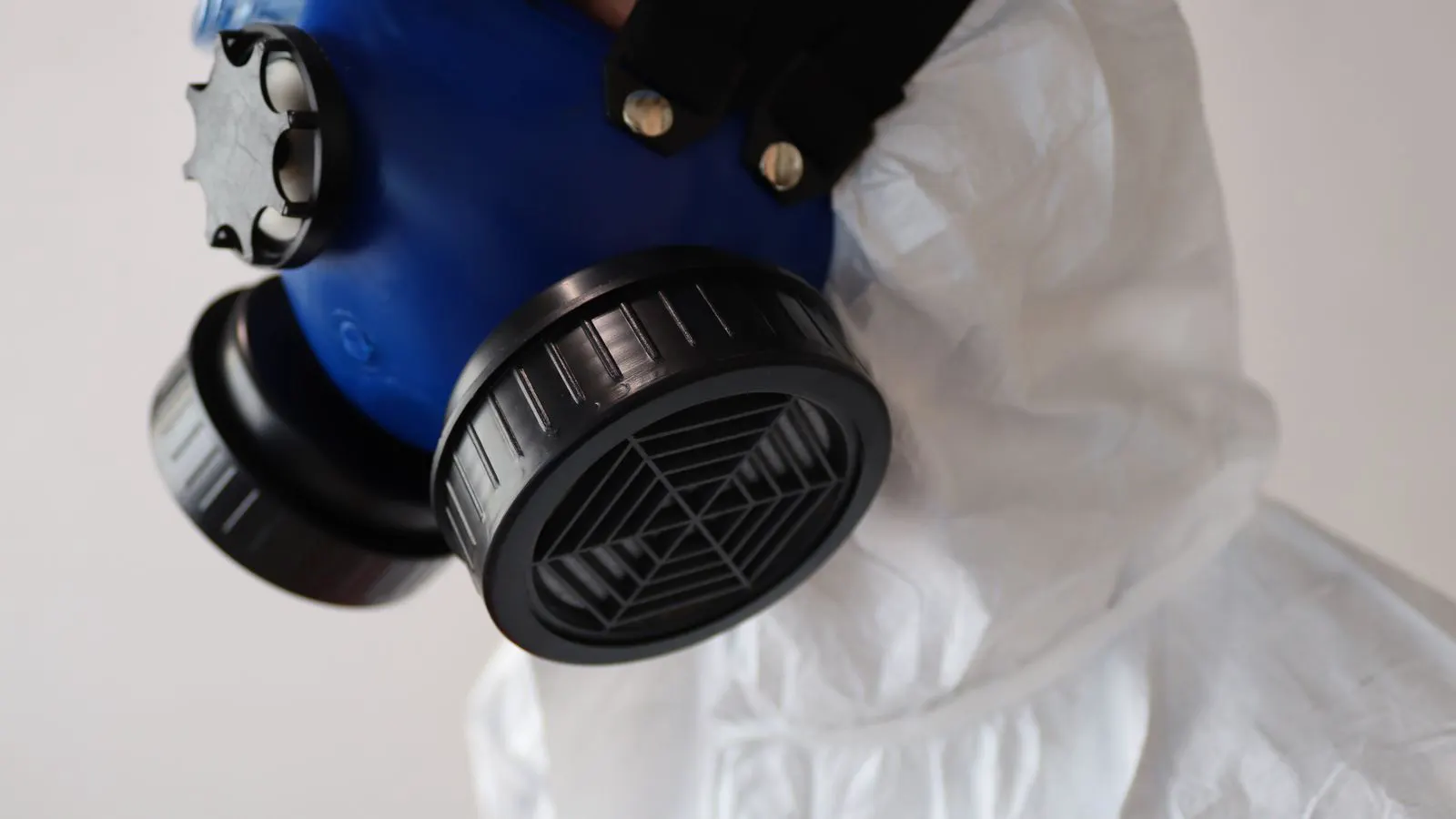
Custom filter elements for industrial respiratory protection often require specific sourcing. Standard off-the-shelf cartridges rarely meet the precise particulate size or exposure limits of specialized work environments. When an engineering team specifies a custom filtration solution, the financial and temporal impact shifts from simple purchasing to a structured procurement process. This guide explains what drives those variables. It also shows how to structure a request for quotation that yields accurate responses.
What Drives the Cost of Custom Filter Elements
Price is never a single number. It is a sum of material costs, manufacturing labor, testing overhead, and logistics. The base cost of a filter medium varies significantly by material type. Standard cellulose media costs less than high-density polypropylene. Electrostatically charged media adds a premium because of the charging process.
Filtration efficiency is the largest variable. A media designed to capture 95 percent of 0.3 micron particles costs more than one rated for 90 percent efficiency. The tighter the specification, the finer the media weave or the higher the charge density. This increases material cost and often requires more stringent quality control.
Manufacturing complexity also adds cost. A simple pleated cartridge requires fewer steps than a multi-layer composite element. If the design requires a specialized housing, a specific gasket material, or an integrated valve, the assembly time rises. Labor costs for inspection and testing increase with each additional quality gate.
Volume is the final major factor. A single prototype or a low-volume run carries a much higher per-unit cost than a production batch. Setup fees for custom tooling or die cutting are often amortized across the first few thousand units. A buyer ordering 100 units pays a higher setup cost per unit than a buyer ordering 10,000 units.
What Drives Lead Time
Lead time is the total duration from the date the RFQ is issued to the date the first delivery arrives. It is often longer than buyers expect. The timeline splits into distinct phases.
First comes the design and engineering phase. The supplier reviews the specifications, checks material availability, and may propose a value-engineered alternative. If the design is new, the supplier may need to develop a tool. This phase can take several weeks.
Next is the procurement phase. The supplier orders raw materials, media, housings, and gaskets. Lead times for specialty materials are often longer than for standard components. A supplier may have to wait for a specific electrostatic charging medium or a particular grade of polypropylene.
Then comes production. The manufacturing line must be scheduled. Custom elements often share lines with standard products. If the production slot is full, the start date slips. During this phase, the supplier runs the elements through quality control. Each batch undergoes pressure testing, leak testing, and filtration efficiency verification.
Finally is logistics. The elements must be packaged and shipped. International shipping adds transit time, customs clearance, and potential delays at borders. Domestic shipping is faster but still requires carrier scheduling.
How to Write a Clear RFQ
A vague RFQ produces vague quotes. Suppliers cannot price a component they cannot fully understand. The document must contain enough technical detail to allow an engineer to make a decision without asking for clarification.
Include the application context. State the dust or vapor type, the concentration level, and the exposure duration. This helps the supplier select the correct filtration efficiency and service life. If the environment contains oils or mists, specify the required medium. Standard dry media will fail in wet conditions.
Define the physical specifications. List the element dimensions, housing type, and connection standard. Provide a drawing or a part number if one exists. If the element is a replacement for an existing cartridge, include the original part number and the manufacturer’s datasheet.
State the quantity and delivery schedule. Break the order into an initial production run and a follow-up quantity if applicable. Specify the required delivery date. If the project has a hard stop, state that date and the penalty for delay.
Set the quality requirements. Reference the filtration standard the element must meet. Specify the testing protocol. Require a certificate of conformance for each lot. If the supplier does not test to the required standard, the quote may reflect a lower price, but the risk of non-compliance falls on the buyer.
How to Compare Quotes Fairly
Suppliers often use different pricing structures. One may quote a low unit price with a high setup fee. Another may quote a higher unit price with no setup fee. Comparing only the unit price leads to errors.
Normalize the quotes. Calculate the total cost for the required volume. Include setup fees, tooling costs, and shipping. If a supplier offers a multi-year contract, ask for the price break schedule. A 5 percent discount at 5,000 units may be more valuable than a lower base price at 1,000 units.
Compare the technical specifications. Two quotes may look identical in price but differ in filtration efficiency or service life. A cheaper element with a shorter service life costs more over time. Calculate the cost per filter change. If the cheap element lasts 300 hours and the expensive one lasts 500 hours, the expensive one may be cheaper per hour of use.
Check the lead time. A quote that is 10 percent cheaper but arrives 8 weeks later may not be usable. If the project requires the element by a specific date, a longer lead time is a deal-breaker. Ask for the earliest possible delivery date, not just the standard lead time.
Cost Drivers and Typical Trade-Offs
The table below summarizes the main factors that influence price and delivery time. Use this as a checklist when reviewing quotes.
| Cost Driver | Description | Impact on Price and Lead Time |
|---|---|---|
| Filtration Efficiency | Percentage of particles captured at a specific size. | Higher efficiency requires finer media, increasing cost and production time. |
| Material Type | Base media material such as cellulose or polypropylene. | Specialty materials have higher raw material costs and longer procurement times. |
| Volume | Total number of units in the order. | Higher volume reduces per-unit cost through amortized setup fees. |
| Complexity | Number of layers, pleats, or integrated components. | More complex designs require more labor and inspection steps. |
| Testing | Required quality control protocols and certifications. | Stricter testing increases labor cost and may extend production time. |
Managing Risk in Procurement
Sourcing custom components carries risk. A single supplier may hold a monopoly on a specific material or process. If that supplier faces a production issue, the project stops.
Mitigate this risk by qualifying at least two suppliers. Send the RFQ to multiple vendors and ask them to test a sample against the required standard. This creates competition and provides a backup source.
Build buffer into the project schedule. Do not plan the installation date based on the earliest possible delivery. Add a margin for unexpected delays. A two-week buffer can prevent a minor logistics issue from halting a safety program.
Review the contract terms. Ensure the supplier is liable for defects that arise from non-compliant materials. If the filter fails before the expected service life, the contract should specify the remedy. This protects the buyer from bearing the cost of a failed component.
Final Checks Before Placing an Order
Before signing the purchase order, verify the technical specifications one last time. Confirm the filtration efficiency, material type, and physical dimensions. Check the delivery date against the project schedule.
Review the payment terms. Net 30 days is standard, but some suppliers require a deposit for custom tooling. Understand the currency of the quote if the supplier is overseas. Exchange rate fluctuations can affect the final cost.
Ask for a sample. If possible, request a single unit for testing in the actual work environment. This validates the filtration performance and the fit of the housing. A sample test takes a week but can save months of rework.
Once the order is placed, assign a contact person at the supplier. Follow up on the production status. If the supplier reports a delay, ask for a revised delivery date in writing. Keep a record of all communication. This documentation is useful if a dispute arises later.
The cost and lead time of custom filter elements are predictable when the specifications are clear. A well-written RFQ reduces ambiguity. A fair comparison of quotes focuses on total value, not just unit price. By managing risk and building buffer into the schedule, industrial buyers can integrate specialized filtration components without disrupting operations.
Frequently asked questions
Can I get a custom filter element without a long lead time?
Lead time depends on material availability and production slots. Standard media elements may ship faster than specialty electrostatic media.
How much should I budget for a custom filter element?
Budget for setup fees, unit costs, and shipping. A single prototype costs more per unit than a production run.
What is the best way to compare quotes from different suppliers?
Normalize the total cost for the required volume. Compare the technical specifications, not just the unit price.
Do I need to test a sample before ordering a large batch?
Yes. Testing a sample validates the filtration performance and the fit of the housing in the actual environment.
How can I reduce the risk of supply chain delays?
Qualify at least two suppliers. Build buffer into the project schedule and track production status regularly.