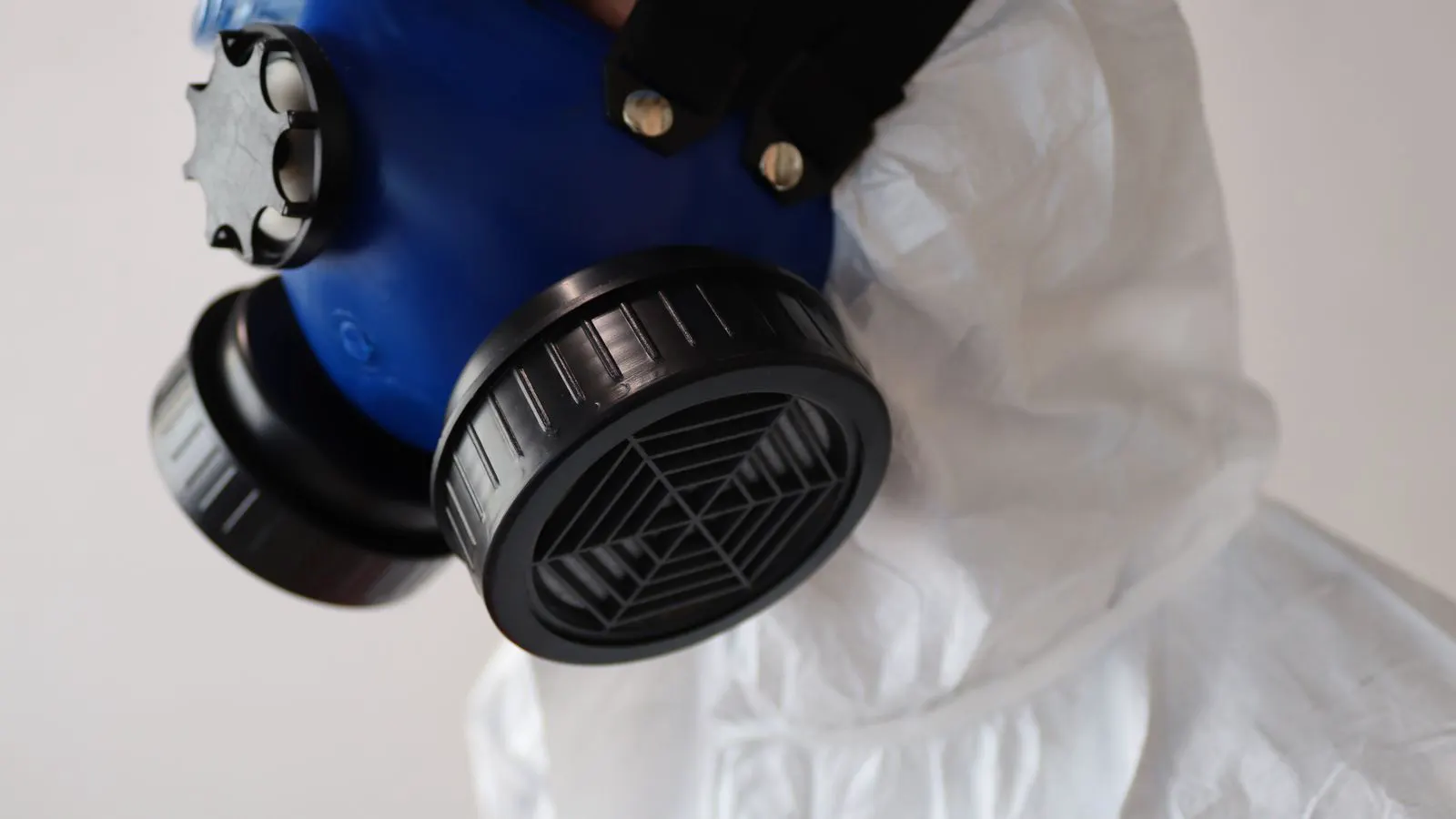
Future of Filter Technologies in Industrial Respiratory Protection

New filtration technologies are changing how industrial respirators are designed, tested, and sourced. Buyers should focus on durability, material compatibility, and supply chain stability. This article outlines six shifts to plan for and how to prepare.
- Filter performance testing will become more granular, requiring suppliers to provide detailed data on specific contaminants.
- Material compatibility and durability are moving to the forefront of purchasing decisions.
- Supply chain diversification is necessary to avoid single-source risks in specialty filter media.
- Digital documentation and traceability are becoming standard requirements for filter procurement.
- Training on filter life indicators and replacement schedules will require updated protocols.
Industrial respiratory protection is undergoing a quiet but significant transformation. The core function of a respirator remains the same, separating breathable air from hazardous particulates. However, the materials, testing methods, and supply dynamics behind filter types are changing. Buyers and safety engineers must adjust their sourcing strategies to accommodate these developments. The following shifts represent the practical changes you should plan for in the coming years.
How Filtration Media Will Evolve
The materials used in filter cartridges are moving beyond simple cellulose and melt-blown polymer blends. Manufacturers are experimenting with layered media that combine electrostatic attraction with mechanical sieving. This approach improves capture efficiency for submicron particles while reducing breathing resistance. The result is a cartridge that performs well for longer periods before reaching its service life limit.
This shift matters for industrial safety because it changes how filter types are selected. A cartridge that once required replacement based on a time-based schedule may now be managed based on load indicators. Buyers should look for suppliers who can explain the layering process. They should also request data on how the media performs under high humidity or high particulate load conditions.
The move toward advanced media is not uniform. Standard N95 or P100 filters remain the baseline for many applications. Specialty filters for chemical vapors or organic vapor will continue to rely on activated carbon and impregnated media. The innovation is more pronounced in the particulate sector. This distinction is critical for procurement. Do not assume that all filter types are moving at the same pace.
What Changes in Testing and Certification
Testing protocols for filter types are becoming more stringent. Traditional certification focuses on facepiece leakage and overall filter efficiency under controlled laboratory conditions. Newer testing methods examine performance under realistic industrial scenarios. This includes testing with multiple particle sizes, varying humidity levels, and mixed contaminant profiles.
This trend requires buyers to request more detailed test data. Generic certification labels are still useful for baseline compliance. They are not sufficient for high-risk applications. For example, a facility handling fine metal fumes may need data on how a specific cartridge performs against 0.3-micron particles under high breathing rates.
Suppliers should be able to provide test reports that show the degradation curve of the filter. This data helps determine when a cartridge begins to lose efficiency. It also supports the argument for replacing filters based on performance thresholds rather than calendar dates. Safety managers should push for this level of detail in procurement specifications.
The Role of Digital Documentation in Sourcing
Paper-based documentation is fading from industrial safety procurement. Filter types are increasingly tied to digital records that track serial numbers, batch dates, and test results. This shift is driven by the need for traceability. If a filter lot fails in the field, the ability to trace it back to a specific production run is essential.
For buyers, this means sourcing from suppliers who maintain digital databases. These databases should be accessible through secure portals or integrated with your existing asset management software. The records should include not just the filter model, but the specific lot number and the date of manufacture.
This digital layer also supports audit readiness. Regulators and auditors are increasingly asking for proof of maintenance and replacement schedules. A digital log that automatically flags a filter for replacement based on usage metrics simplifies this process. It reduces the administrative burden on safety teams and minimizes the risk of human error in record-keeping.
How Supply Chain Risks Are Changing
The global supply chain for specialized filter media is vulnerable to disruption. Some high-performance media are produced in limited quantities by a small number of manufacturers. This concentration creates a risk that buyers must manage proactively.
To mitigate this risk, industrial safety teams should diversify their supplier base. This does not mean abandoning a preferred vendor. It means qualifying at least one alternative source for critical filter types. The alternative source must meet the same performance standards and provide equivalent documentation.
Stocking strategies also need review. For high-consumption items like standard particulate filters, maintaining a larger buffer stock may be prudent. For specialty filters, just-in-time delivery may be less reliable. Buyers should work with suppliers to establish minimum stock levels that align with their production schedules.
Training Implications for Filter Management
As filter types become more complex, training must evolve. Workers are no longer just being told when to replace a cartridge. They are being taught how to interpret load indicators, understand breathing resistance changes, and recognize signs of media saturation.
This shift requires more detailed training materials. Visual guides that show the physical changes in filter media under saturation are more effective than text-only instructions. Hands-on sessions where workers practice inspecting used filters against new ones help build confidence.
Safety managers should also update their standard operating procedures. The replacement interval for a filter may no longer be a fixed number of hours. It may depend on the specific work area, the type of dust, and the worker’s breathing rate. Procedures should reflect this variability and provide clear decision criteria for workers on the floor.
What Buyers Should Do Now
The future of filter technologies is not a single event. It is a gradual shift in standards, materials, and expectations. Buyers do not need to overhaul their entire program today. They do need to start planning.
- Audit your current filter inventory. Identify which filter types are critical to your safety program and which are standard.
- Request detailed test data from your current suppliers. Ask for degradation curves and performance data under high load conditions.
- Qualify a secondary supplier for your most critical filter types. Ensure they can provide digital traceability.
- Update your training materials to reflect the new indicators and replacement protocols.
- Engage with suppliers to understand their roadmap for material and testing improvements.
These steps position your organization to adapt smoothly as the market shifts. They also demonstrate a proactive approach to industrial safety that regulators and clients will appreciate.
The Long-Term Outlook
The trajectory of respiratory protection is clear. Filter types will become more specialized, more data-driven, and more integrated into digital safety systems. The basic principles of filtration remain unchanged. The implementation of those principles will become more sophisticated.
Buyers who focus on the details will find that the transition is manageable. They will be better equipped to make informed sourcing decisions and maintain high standards of worker protection. The goal is not to chase every new technology. The goal is to ensure that the equipment in the field performs reliably under real-world conditions.
Frequently asked questions
Will new filter technologies make respirators more expensive?
Advanced filter media may carry a higher upfront cost. However, longer service life and reduced replacement frequency can offset this over time.
Do I need to replace my entire respirator program?
No. Existing equipment remains compliant as long as it meets current standards. Focus on updating sourcing strategies and training rather than immediate replacement.
How do I verify that a supplier's digital records are reliable?
Request a sample audit of their digital database. Check that records match physical inventory and that test reports are accessible and verifiable.
Can I use the same filter types in different work areas?
Only if the filter is rated for the specific contaminants present in all areas. Always match the filter type to the hazard profile of the work environment.
How often should I review my filter sourcing strategy?
At least annually, or whenever there are significant changes in production processes, new contaminants are introduced, or supply chain disruptions occur.