Respirator Selection Basics for Industrial Dust Exposure

Respirator selection depends on dust concentration, particle size, and work task. You must match the respirator type, filtration class, and fit to the specific hazard. This guide breaks down the technical and practical factors to avoid costly sourcing errors.
- Match the respirator type to the dust concentration and particle size present in the work area.
- Verify fit through a proper fit test before any worker relies on the unit for protection.
- Align filtration class and cartridge life with the specific dust type and duration of exposure.
- Review task duration and physical effort to ensure the selected unit remains practical and comfortable.
- Document the selection process to support compliance and future PPE buying decisions.
What defines a dust hazard for workers
Dust control in industrial settings rarely involves a single, uniform threat. A foundry floor, a stone cutting bay, and a chemical compounding plant all generate particulate matter, yet the physical and chemical properties differ widely. Before selecting any respiratory protection, the buyer must understand the specific nature of the dust. Is it a crystalline silica material, a metallic oxide, a polymer powder, or a mixture? The answer changes the required filtration capability.
Particle size is a defining factor. Coarse dust, such as sand or concrete chips, may settle quickly but still causes mechanical irritation. Fine dust, like talc or some chemical powders, remains suspended longer and can penetrate deeper into the respiratory tract. The respirator selection process starts with a characterization of the airborne particles. Without this baseline, you risk buying equipment that looks sufficient on the box but fails to protect the user in the actual working conditions.
The concentration of the dust matters just as much as its type. If the dust level is low and below the acceptable exposure limit for the duration of the shift, a simple particulate filter may be enough. If the concentration is high, or if the task involves generating fresh dust, such as grinding or blasting, the worker needs a higher level of protection. The selection must bridge the gap between the environmental hazard and the protective capacity of the device.
Understanding respirator types and fit
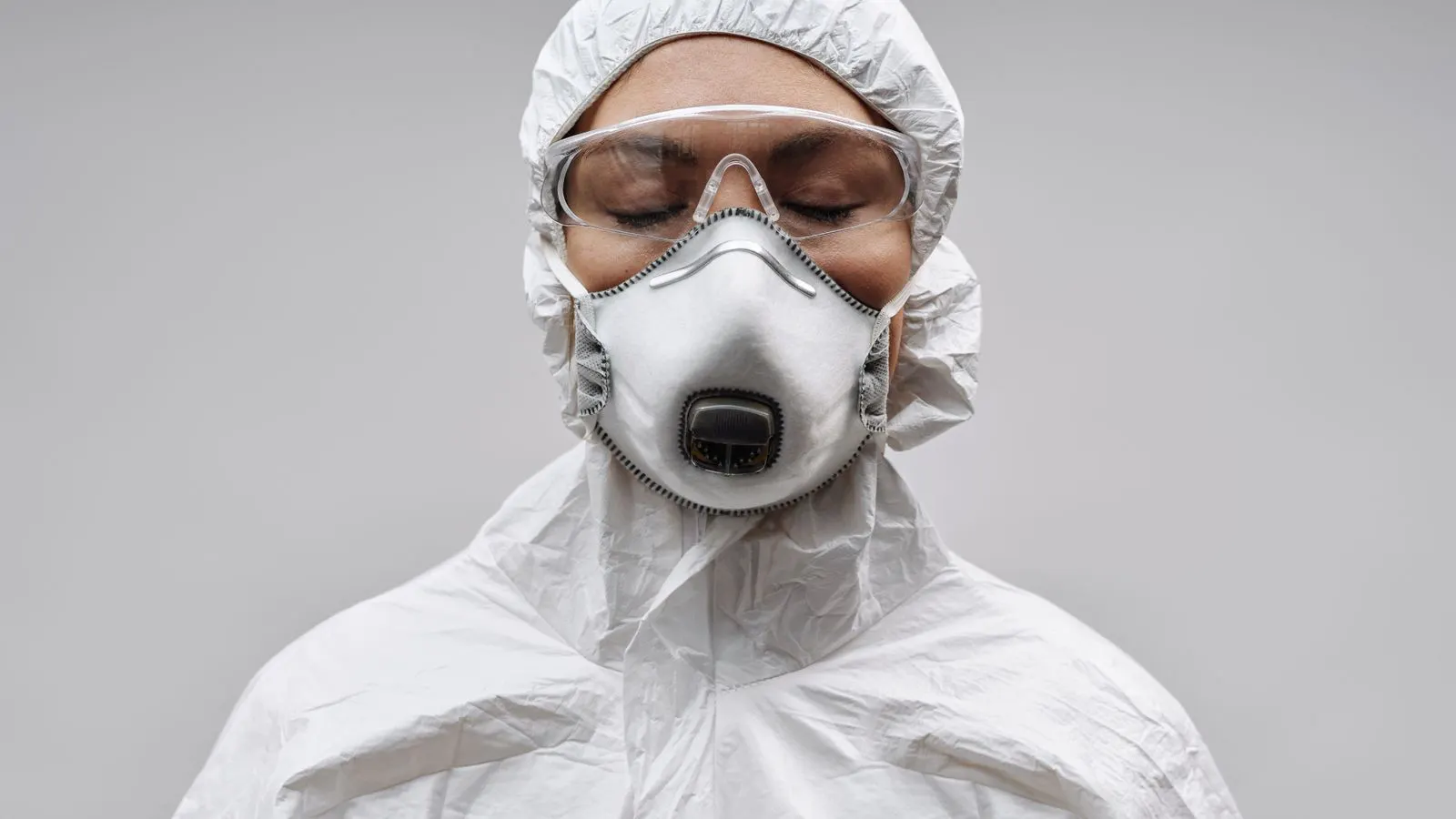
Respirators are generally categorized by how they interface with the face and the source of clean air. Loose-fitting respirators, such as disposable cup masks, rely on the user’s breathing to pull air through filters. They are common for low-hazard tasks but require a perfect seal. A single gap between the seal and the face allows contaminated air to bypass the filter.
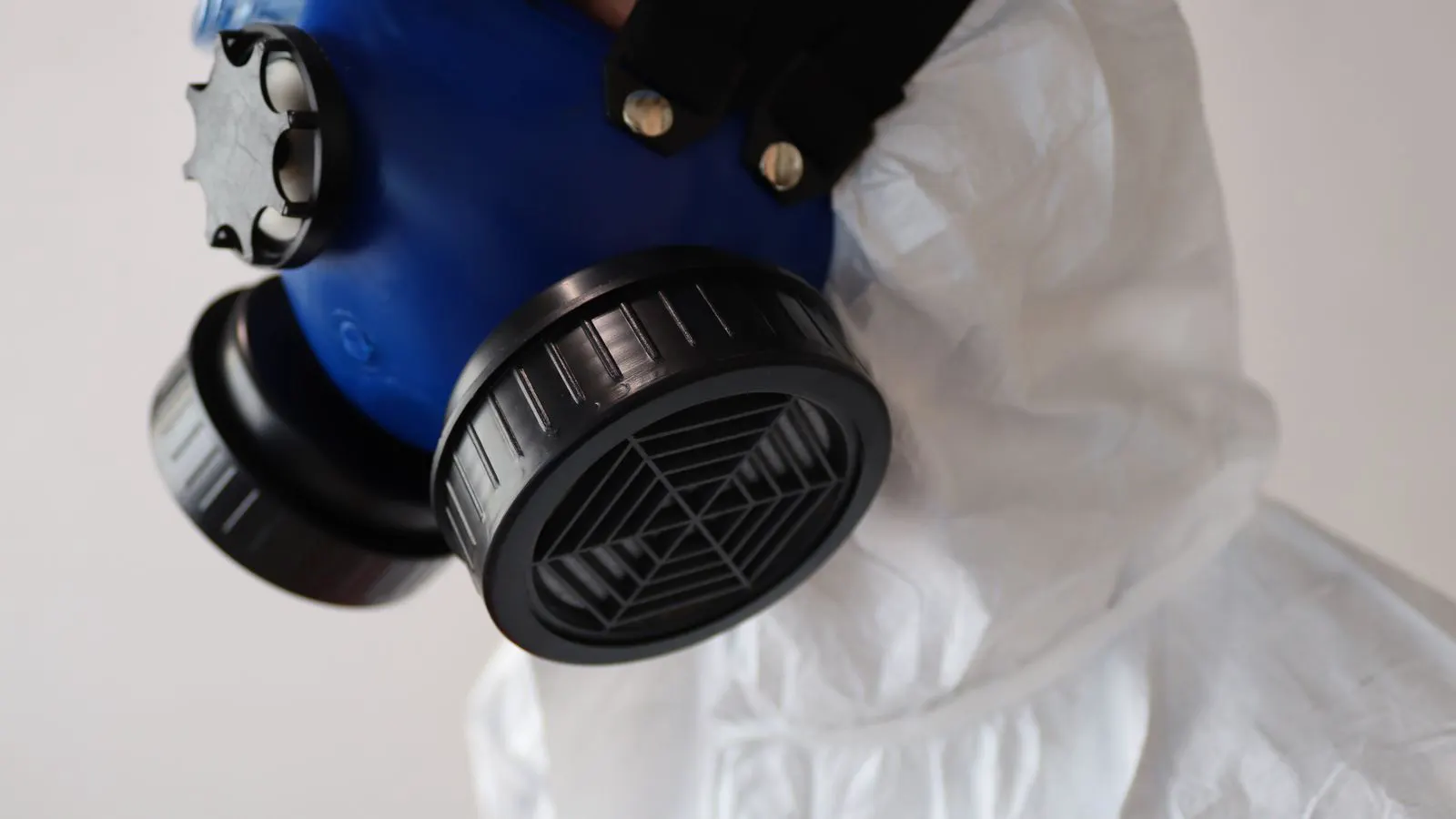
Half-mask respirators offer more protection than cup masks because they cover both the nose and mouth. They are adjustable and often used with reusable cartridges. Full-face respirators cover the nose, mouth, and eyes. They provide a higher level of seal but can be more expensive and may cause eye condensation in certain conditions.
Powered Air Purifying Respirators, or PAPRs, use a battery-powered fan to pull air through a filter cartridge. The user does not have to breathe against resistance. These units are often preferred for long-duration tasks or in hot environments where physical effort is high. The trade-off is cost and maintenance. The fan, hose, and cartridge all require regular inspection and replacement.
The fit of the respirator is the single most critical factor in its effectiveness. A high-quality filter does nothing if air leaks around the edges. For tight-fitting respirators, a fit test is mandatory. The test involves the user breathing in and out while a device measures the pressure difference inside and outside the mask. If the seal is not consistent, the device is not fit for the job. This step cannot be skipped. It must be performed with the user wearing the exact model and size they will use on the job.
Filtration classes and dust protection requirements
Filtration is the heart of dust protection. Filters are rated based on their efficiency in capturing particles. These ratings indicate the percentage of particles captured, but for sourcing decisions, you must look at the specific class assigned by the regulatory body.
The table below outlines the general hierarchy of filtration for particulate matter. Note that specific standard numbers vary by region, but the efficiency tiers remain consistent in professional practice.
| Filtration Tier | Common Label | Typical Application |
|---|---|---|
| Low | FFP1 / P95 | Light dust, low concentration |
| Medium | FFP2 / P95 | General industrial dust |
| High | FFP3 / P100 | Fine dust, high concentration |
| P3 | P100 | Maximum particulate efficiency |
When sourcing for dust control, you must match the tier to the hazard. If the dust is fine and persistent, a low-tier filter will saturate quickly. The worker will feel resistance increasing as the filter clogs. This is a signal that the filter is exhausted and must be changed. Ignoring this signal compromises protection.
Cartridge life is not a fixed number of days. It depends on the density of the dust, the humidity, and the breathing rate of the user. A worker performing heavy physical labor will exhaust a cartridge faster than a worker doing light assembly. During the PPE buying process, ask the supplier for the expected service life under specific conditions. Do not rely on a generic “lasts for a month” claim.
Task duration and physical effort
The physical demands of the job influence respirator selection significantly. A worker who stands for eight hours in a hot environment will find a tight-fitting half-mask uncomfortable. The seal pressure can cause facial fatigue and skin irritation. Over time, this leads to users adjusting the mask, which breaks the seal.
For long-duration tasks, a PAPR is often a better choice. The fan provides positive pressure or neutral airflow, reducing the effort required to breathe. However, the user must be aware of the battery life. If the battery dies, the PAPR becomes a loose-fitting device with no filtration, which is unsafe. You need a backup plan.
Short, intermittent tasks may favor a disposable cup mask. It is cheaper, easier to handle, and requires no maintenance. But it is less comfortable for sustained use. If the dust exposure is brief, such as during a cleanup after a spill, a disposable unit is practical. If the exposure is continuous, such as during a shift at a milling machine, a reusable half-mask or PAPR is more suitable.
Consider the user’s physiology as well. Facial hair interferes with the seal on any tight-fitting respirator. Users with facial hair must use a full-face respirator or a PAPR, or they must remove the hair from the seal area. This is a common oversight during the selection phase. The equipment must work for the actual person using it, not just for a generic “average” worker.
Sourcing decisions and documentation
The PPE buying process involves more than picking a model off a shelf. It requires documentation and verification. You need a written hazard assessment that identifies the dust type, concentration, and exposure duration. This document justifies the selection of a specific respirator.
When you purchase equipment, ensure you have the user manual and the certification documents. Look for the manufacturer’s test data and the regulatory approval marks. If you are in a region with specific requirements, ensure the equipment meets those standards. Vendors may sell equipment that is approved in one country but not another.
Keep records of fit tests. If a worker fails a fit test, document why. Did they have facial hair? Was the mask size wrong? Was the mask damaged? This data helps you refine your selection process for the next batch of buyers.
Budget for replacement cartridges and filters. The initial cost of the respirator is only a fraction of the total cost of ownership. If you buy 50 half-masks, you also need a supply of filters that will last for the expected duration of the project. A shortage of filters is a common failure point. Workers end up using the same filter for weeks, which reduces protection and increases breathing resistance.
A worked example: The stone cutting bay
Consider a stone cutting bay where workers grind granite slabs. The dust is fine, contains crystalline silica, and is generated continuously during the grinding process. The workers are exposed for the entire eight-hour shift. The environment is warm, and the noise is high.
First, the hazard assessment confirms the dust is silica-based. This requires a high-efficiency particulate filter. A low-tier filter will not provide adequate protection. The second factor is the duration. Eight hours is a long shift. A tight-fitting half-mask may be uncomfortable, especially with the noise and heat.
The selection process favors a PAPR with a P100 or equivalent high-efficiency filter. The fan provides airflow, reducing the effort needed to breathe. The full-face or half-face design of the PAPR must be chosen based on the worker’s facial features and the need for eye protection. In this case, eye protection is likely needed anyway due to the flying stone chips.
The buyer sources the PAPR units and a stock of P100 filters. The workers undergo fit tests. The PAPRs are checked for battery life and hose integrity daily. The filters are replaced when the breathing resistance increases or when the manufacturer’s service life is reached, whichever comes first. This approach aligns the equipment with the hazard, the task, and the worker’s physical limits.
Common mistakes in selection
Many organizations make the same errors when selecting respiratory protection. The first mistake is buying the cheapest option. A low-cost mask may lack a proper seal or use a lower-grade filter. The savings are temporary. The risk of respiratory illness is not.
The second mistake is ignoring the fit test. Some sites assume that if the mask looks snug, it works. It does not. Air can leak in microscopic gaps. The fit test is the only way to verify the seal.
The third mistake is not replacing filters on time. Users often hold onto filters until they are completely black and clogged. By then, the breathing resistance is high, and the protection is compromised. Establish a clear schedule for replacement based on usage, not just appearance.
Finally, do not mix and match components. Use the filters and cartridges specified by the manufacturer for that specific respirator model. Different models may look similar but have different internal geometries. Using the wrong cartridge can create a seal failure.
Respirator selection is a technical task that requires careful thought. It is not just about finding a mask that fits. It is about matching the equipment to the specific hazard, the duration of the task, and the physical capabilities of the user. By following the factors outlined above, you can build a robust PPE buying strategy that protects your workforce and supports your compliance goals.
Frequently asked questions
How do I know if I need a full-face respirator?
You need a full-face respirator if the dust also generates fumes or vapors that can irritate the eyes, or if the worker needs eye protection. It also provides a better seal for long-duration tasks.
Can I use a disposable mask for a high-dust job?
Disposable masks are generally for low to moderate dust levels and short durations. For high-dust, long-duration work, a reusable half-mask or a PAPR is a better choice.
How often should I replace a filter cartridge?
Replacement depends on the dust concentration and the user's breathing rate. Follow the manufacturer's guidelines and replace the filter when you feel increased breathing resistance or when the filter is visibly clogged.
What if a worker fails a fit test?
If a worker fails a fit test, do not allow them to use the respirator. Identify the cause, such as facial hair, incorrect size, or improper wear, and retrain or select a different type of respirator.
Is a PAPR safer than a half-mask?
A PAPR provides easier breathing and a more consistent seal, which can improve compliance. However, it requires battery management and maintenance. For most dust tasks, either can be effective if used correctly.