Half Mask vs Full Face Respirators: Selection Criteria
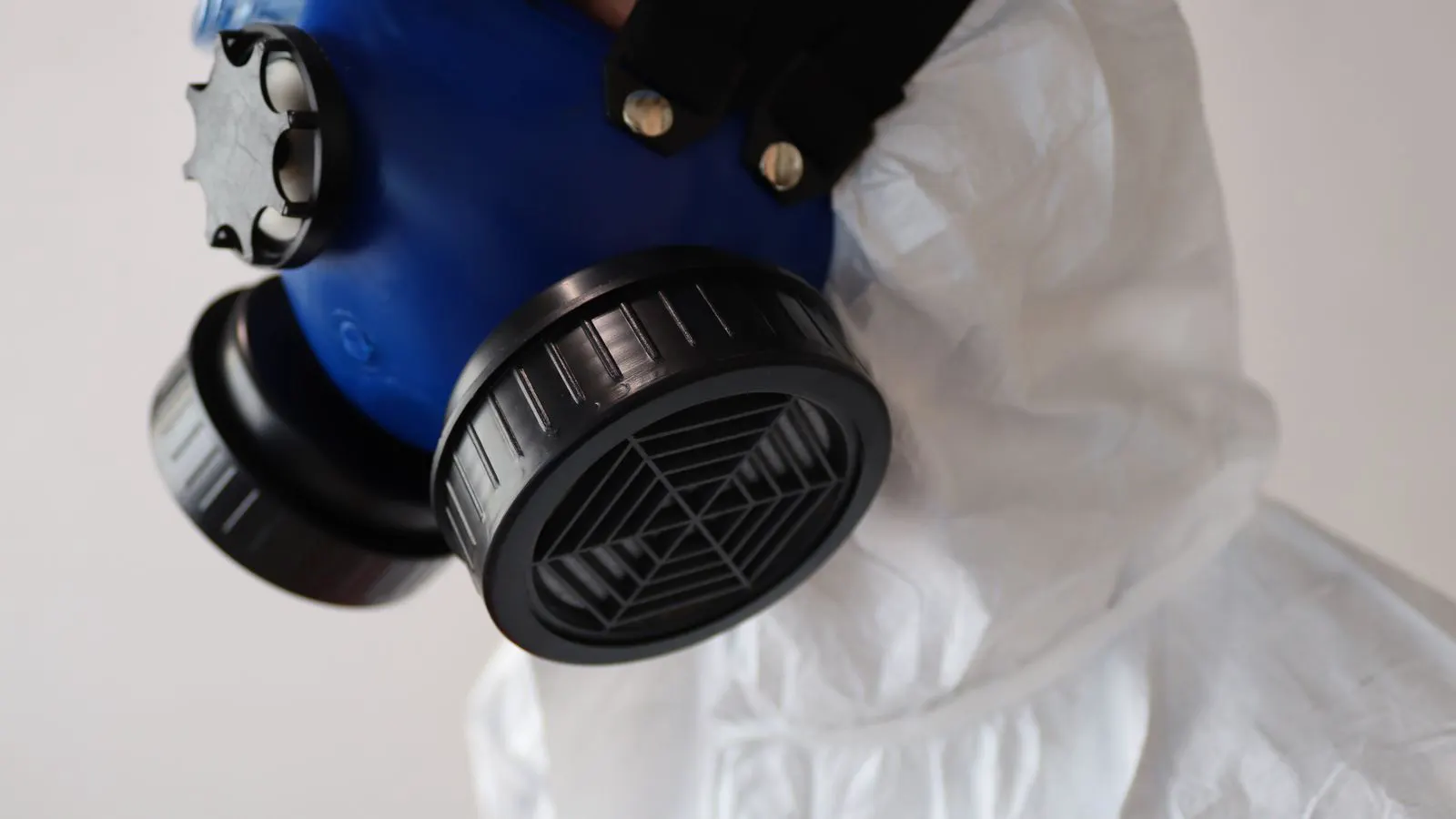
Half masks are lighter and easier to fit for low-risk tasks, while full face respirators protect eyes and provide a sealed face. The right choice depends on hazard type, work duration, and physical constraints.
- Half masks suit dust and low-level vapor tasks but leave eyes exposed.
- Full face respirators block splashes and offer a wider field of view.
- Fit testing is mandatory for both types before field use.
- Valve type and filter selection matter as much as the mask shell.
- Choose based on hazard concentration, work duration, and task requirements.
What Drives the Decision Between Half and Full Face?
The choice between a half mask and a full face respirator comes down to the specific hazards in the work area. Half masks cover the nose and mouth only, making them lighter and easier to wear for extended periods in many settings. Full face units include a visor or goggles, creating a complete seal around the face.
The decision is not about which device is superior. It is about which device matches the exposure profile. A worker handling light dust may not need eye protection from the respirator itself. A worker mixing chemicals near the face does. The physical shape of the unit determines the seal area, and that seal area determines how much of the face is protected. A half mask relies on a separate piece of eyewear to handle splash risks, while a full face unit integrates the eye barrier into the seal itself.
For many industrial environments, the presence of airborne particulates dictates the initial choice. If the risk is primarily inhalation of dust, the half mask is often sufficient. If the risk involves volatile liquids or aggressive mists, the full face unit becomes the standard. The boundary between these two categories is rarely a single factor. It is a combination of chemical type, physical state, concentration, and the worker’s proximity to the source.
When Should You Pick a Half Mask?
Half masks are the standard for many routine industrial tasks. They are lighter, which reduces neck strain. They allow better peripheral vision and are easier to pair with other PPE such as safety glasses. The frame sits closer to the nose and mouth, which creates a smaller pressure surface. This reduces the feeling of being “boxed in” for workers who are on their feet for long shifts.
Choose a half mask when:
- The primary hazard is airborne particulate matter, such as wood dust, concrete dust, or fine metal particles.
- Vapor or mist concentrations are low and within the protection range of the selected filter.
- The work environment allows the use of separate safety glasses or goggles.
- The worker performs repetitive movements that require a low-profile face fit.
- The task duration is long enough that comfort significantly impacts compliance.
Half masks are also the default for many administrative and low-risk maintenance tasks. They are easier to clean and replace. The seal is simpler, which makes fit testing faster and often more reliable for average face shapes. A common scenario is a maintenance technician cleaning out a gearbox. The dust is the main concern, but the eye risk is low. A half mask with a P100 filter and simple safety glasses covers both needs without the bulk of a full face unit.
Another advantage is the ease of communication. While both types require care with speech, the half mask often allows for clearer audio because the mouth seal is less restrictive than the full face seal around the chin and cheeks. This is useful in noisy environments where workers need to hear verbal instructions or warning signals. The half mask also tends to be less likely to cause fogging on safety glasses when worn over them, provided the glasses are the correct size and fit tightly against the mask seal.
When Should You Pick a Full Face Respirator?
Full face respirators are required when the respiratory hazard comes with a direct eye or skin risk. The visor blocks splashes, mists, and airborne irritants that would otherwise hit the eyes. This makes them the standard for chemical handling, welding, and certain spray applications. The seal extends around the entire face, including the nose bridge, cheeks, and chin. This creates a single, continuous barrier that protects the eyes and the respiratory system simultaneously.
Choose a full face respirator when:
- The task involves liquid chemicals, acids, or caustics that can splash.
- The work area has high concentrations of mists or fumes that irritate the eyes.
- The worker needs a continuous, unbroken field of view without separate eyewear.
- The task requires a higher level of facial seal reliability.
- The environment includes splatter from grinding, cutting, or mixing operations.
Full face units also reduce the chance of accidental inhalation through the nose if the user forgets to keep their mouth closed. They are more forgiving in terms of seal maintenance during heavy exertion. Consider a worker in a paint booth. The spray creates a mist that is dangerous to the lungs and the eyes. A half mask with goggles might work, but the gap between the goggles and the mask seal is a weak point. A full face respirator eliminates that gap. The visor is part of the same seal, so any leak is less likely to bypass the protection entirely.
Welding is another key application. The fumes from welding are not just a respiratory hazard. They can be irritating to the eyes and skin. A full face respirator with a shaded visor or compatible welding lens provides integrated protection. The seal also helps keep debris out of the eyes, which is a significant risk when grinding or cutting metal. The unit holds the worker’s face in place, so they do not need to adjust separate safety glasses every few minutes, which keeps their focus on the task.
Key Differences in Protection and Comfort
The table below summarizes the core trade-offs. This is the core of any respirator comparison for purchasing decisions.
| Option | Best for | Limitations |
|---|---|---|
| Half mask | Dust, low-level vapors, long wear tasks | No eye protection; requires separate eyewear; less secure seal during heavy exertion |
| Full face respirator | Chemical splashes, high mists, welding, welding fumes | Heavier; can fog; more expensive; harder to pair with safety glasses |
| Half mask with goggles | Dust plus occasional splash risk | Goggles may fog; two-seal system is less reliable than one sealed unit |
| Full face with side vents | Hot environments, long shifts | Vents may reduce filtration efficiency; check manufacturer guidance |
| Full face with integrated head harness | Repeated donning and doffing | More complex setup; higher cost; requires training |
Comfort is a practical factor that cannot be ignored. A half mask sits closer to the face and is easier to adjust. Full face units have a larger surface area, which means more contact points and a higher chance of pressure spots. The visor also fogs more easily in humid or hot conditions. This is a real issue for tasks that involve heavy breathing or sweating. If a worker is sweating, the moisture can condense on the inside of the visor, reducing visibility. Some units have anti-fog coatings or venting systems to manage this, but they require regular cleaning to stay effective.
Fit testing is mandatory for both types. A poorly fitted half mask will leak at the nose bridge. A poorly fitted full face unit will leak at the cheeks or forehead. The fit test must be performed with the specific model the worker will use in the field. You cannot fit test a half mask and then assume the same worker will fit a full face unit correctly. The facial geometry changes with the size of the seal. A worker with a broader nose may fit a half mask well but struggle with a full face unit that has a narrower nose bridge. The fit test involves breathing in and out, talking, and moving the face to simulate real work conditions. If the seal breaks during any of these movements, the unit fails.
How Do Filters and Valves Change the Picture?
The shell is only half the equation. Filter selection and valve type determine the actual protection level. The mask provides the seal, but the filter provides the filtration. Without the correct filter, the mask is just a plastic shell.
Half masks usually come with either no-valve (tight seal, requires exhaling through filters) or one-valve (exhale valve reduces breathing resistance) configurations. One-valve half masks are more comfortable for long tasks but may not be suitable for all hazardous atmospheres. Check the manufacturer’s guidance for the specific filter combination. A no-valve half mask is often required for oil-based vapors or when the worker is in a potentially explosive atmosphere, as the valve mechanism can sometimes introduce a leak point or fail to filter exhaust gases completely.
Full face respirators are often paired with one-valve or two-valve designs. Two-valve units allow both inhalation and exhalation through filters, which is the safest configuration for unknown or high-level hazards. One-valve units are more comfortable but require careful attention to filter selection. If the one-valve is not sealed properly, unfiltered air can escape, which might be acceptable in a low-hazard environment but dangerous in a high-hazard one.
The filter itself must match the hazard. Particulate filters use rating letters to indicate efficiency. Vapor filters use color codes to indicate protection against specific chemical families. The right filter is only as good as the right mask for the job. For example, a carbon filter designed for organic vapors will not protect against acidic gases. If the work area contains a mix of vapors, the filter must be rated for that specific combination.
A common mistake is buying a high-quality half mask and pairing it with a filter that does not match the actual vapor present in the area. Another mistake is assuming that a full face respirator automatically protects against all eye hazards. The visor is a physical barrier, but it is not a chemical shield. It must be rated for the specific splash risk. A standard polycarbonate visor may stop a light splash of water, but it will not stop a concentrated acid splash. The material and thickness of the visor matter.
What About Cost, Lead Time, and Replacement?
Half masks are generally less expensive to purchase. The filters are also usually cheaper and more widely available. Full face respirators cost more upfront, and the visor is a consumable item that can crack or fog. The higher initial cost is offset by the integrated protection. You are not buying two separate items, a mask and a pair of goggles. You are buying one unit that does both jobs.
Lead time is often similar for both, but full face units with integrated head harnesses or custom visors may take longer to source. Replacement filters are available in both types, but the part numbers differ. Keep a stock of the exact filters used in the field. It is a common operational error to stock standard filters that do not match the specific mask model. If the filter does not seat correctly in the mask, it leaks. The worker might not notice the leak immediately, but the protection is compromised.
The cost of a respirator is only part of the total cost of ownership. Training, fit testing, and filter replacement all add up. A cheaper half mask that requires frequent filter changes due to poor fit or wrong selection may cost more over time than a more expensive full face unit that is worn correctly. The full face unit also reduces the administrative burden of managing two separate PPE items. There is one fit test, one inspection routine, and one storage location. This simplifies compliance and reduces the chance of a worker forgetting a piece of equipment.
Practical Selection Checklist for Buyers
Use this checklist when comparing options for a specific task. It is not a substitute for a professional hazard assessment, but it helps structure the decision.
- Identify the primary hazard: dust, vapor, mist, or splash.
- Determine the concentration range in the work area.
- Check if eye protection is required by the hazard or by other PPE rules.
- Assess the work duration and physical exertion level.
- Review the available filter options for the selected mask type.
- Confirm that fit testing can be done with the specific model.
- Verify that the mask can be worn with other required PPE.
- Check the cost and availability of replacement filters and visors.
A full face respirator is not always the answer. It is the answer when the hazard demands it. A half mask is not a compromise. It is the right tool for the job when the exposure profile matches.
The respirator comparison ends when the hazard is fully understood. The mask is only one part of the control hierarchy. Engineering controls, ventilation, and administrative measures should always be considered first. If the hazard can be reduced at the source, the respirator is a backup. If the hazard cannot be reduced, the respirator is the primary control.
Frequently asked questions
Can I use a half mask with safety glasses instead of a full face respirator?
Yes, in many cases. However, the two-seal system is less reliable than a single sealed unit. If splash risk is high, a full face respirator is the preferred choice.
Which respirator is better for welding?
Full face respirators are standard for welding because they protect the eyes from UV and IR radiation and block fumes. Half masks are not suitable for this task.
Do I need a full face respirator if I only work with light dust?
No. A half mask with the correct particulate filter is usually sufficient for light dust. Full face units are heavier and more expensive.
How often should I replace filters?
Follow the manufacturer's guidance and monitor for pressure loss, odor, or taste. Replace filters when they reach the end of their service life or when they no longer protect.
Can I use a full face respirator for long shift work?
Yes, but comfort is a concern. Look for models with low-weight frames and adjustable straps. Fit testing is critical to avoid pressure spots.