Checklist: Selecting Heat Resistant Protective Clothing
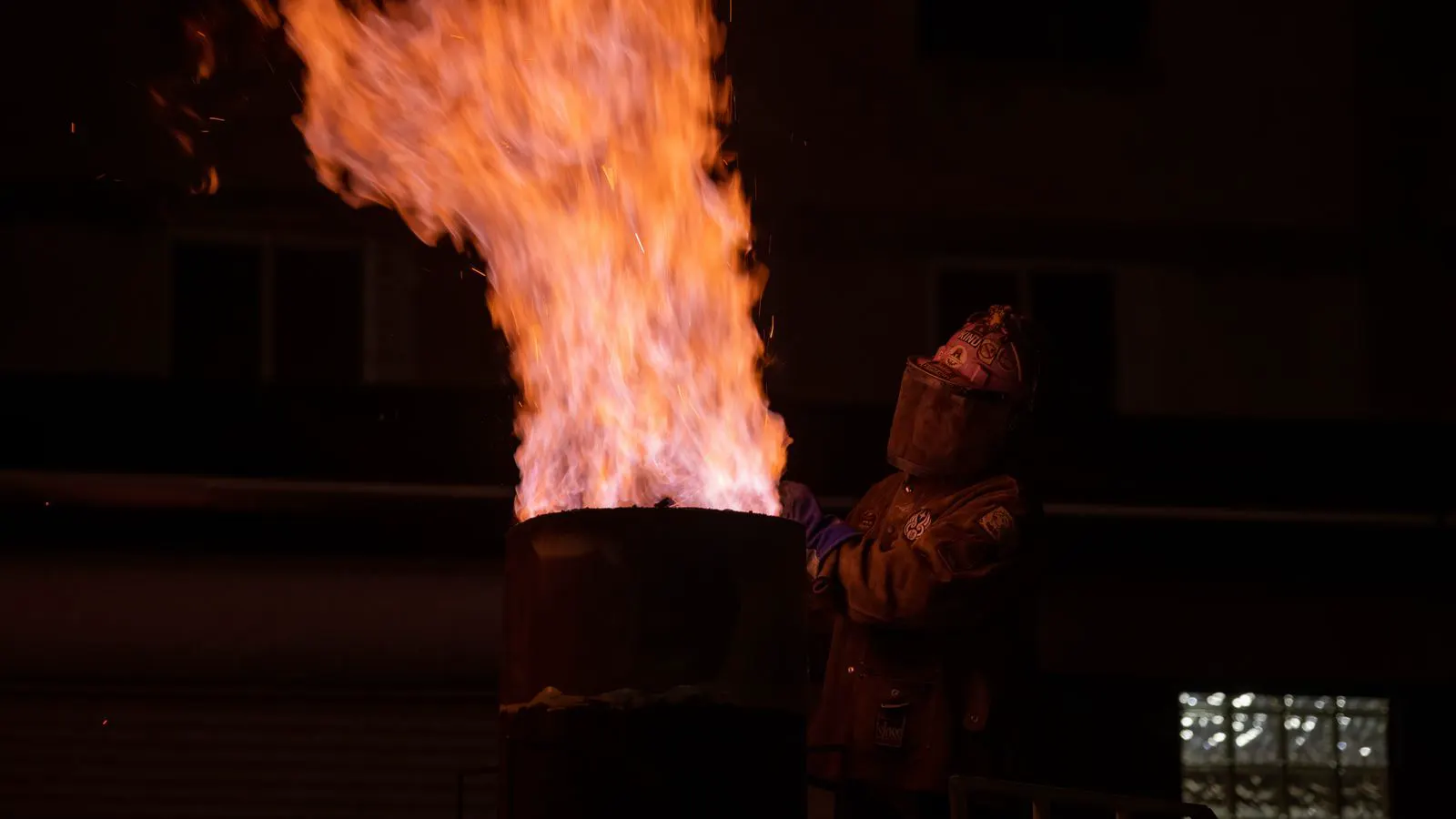
This guide provides a structured checklist for selecting protective clothing in hot environments. It outlines how to assess heat protection, evaluate flame resistant PPE, and identify common selection errors.
- Match coverall construction to the specific heat source, whether it is radiant, convective, or direct contact.
- Verify that flame resistant PPE meets the specific hazard profile of the workplace.
- Check for ventilation and moisture management to prevent heat stress.
- Review material compatibility with nearby chemicals or abrasion risks.
- Red flag: buying generic "heat resistant" gear without checking the specific heat source.
Defining the Heat Source and Hazard Profile
The first step in selecting protective clothing is identifying the exact physical threat the worker will encounter. The term “heat resistant” is broad and covers several distinct hazards. A worker handling molten metal faces radiant heat and potential splash exposure. A worker standing near a furnace may face intense radiant heat with little direct contact risk. A worker handling hot steam or piping may face convective heat and scalding water. Each scenario demands a different material construction and garment design.
Start by mapping the work area. Note the distance from the heat source. Note the duration of exposure. Note if the heat is continuous or intermittent. If the task involves a short, high-intensity burst of heat, a heavy coverall may trap body heat and cause exhaustion. If the task involves prolonged, lower-intensity exposure, moisture management becomes the primary driver.
A common mistake is assuming that all heat protection is the same. A coverall rated for a specific radiant temperature may not offer adequate splash resistance. A garment designed for convective heat may not withstand direct flame impingement. The selection must match the physics of the hazard. Consider the geometry of the work zone. If the worker must crouch to inspect a lower valve, radiant heat from the floor or lower pipes may be the dominant risk. If the work involves pouring or transfer, splash patterns matter more than ambient air temperature.
Assessing Material Construction and Fabric Weight
Fabric weight, or denier, determines how much material is packed into each square inch. Heavier fabrics generally offer better thermal insulation and abrasion resistance. However, they also increase weight and restrict movement. In hot environments, movement restriction is a safety risk. A worker who cannot move freely may drop tools, lose balance, or fail to escape a developing emergency.
Look at the weave. Twill weaves are generally more abrasion resistant than plain weaves. Kevlar or aramid fibers are common in high-performance heat resistant fabrics. These materials do not melt easily and can withstand high temperatures. However, they are stiffer than cotton or polyester blends. For tasks requiring fine dexterity, a lighter, more flexible fabric may be necessary, even if it offers less protection.
Check the seams. Seams are the weakest point in any garment. If the garment will face abrasion or heat, the seams should be double-stitched or reinforced. Loose threads or unfinished edges can catch on equipment or burn away, exposing the inner layers. Inspect the cuff and hem construction as well. These areas often experience high friction during repetitive tasks. If the cuffs are not reinforced, they can tear quickly when a worker rubs their arms against a machine housing or a hot pipe.
Evaluating Flame Resistant Properties
Flame resistant PPE is designed to stop the spread of flame across the fabric. In hot environments, a spark or a small flame can ignite standard clothing. A flame resistant coverall should self-extinguish when the flame source is removed.
Do not confuse flame resistant with flameproof. Flame resistant means the fabric will not catch fire or will stop burning quickly. Flameproof means the fabric will not burn under normal conditions. In industrial settings, flame resistant is the standard term. Check for the specific test standard the manufacturer used. Different standards test different scenarios, such as small flame exposure or direct flame impingement.
A red flag is buying a garment that is labeled “flame resistant” without checking if it meets the standard required by your local regulations or your site’s safety policy. If your site requires a specific class of protection, a generic flame resistant coverall may not be sufficient. Verify the fabric composition. Some blends use specific ratios of fibers to achieve a particular thermal performance. If the label lists a material without specifying the blend, the performance may vary between batches.
Managing Moisture and Ventilation
Heat protection and heat stress are two different problems. A worker can be protected from the external heat source but still suffer from internal heat buildup. This is especially true in enclosed spaces or when wearing multiple layers.
Check the garment for ventilation features. Some coveralls have mesh panels, zippers, or vented cuffs. These allow air to circulate and sweat to evaporate. If the garment is fully sealed, it will trap moisture. Wet fabric conducts heat better than dry fabric. This can lead to rapid heat exhaustion.
Consider the climate. In a hot, humid environment, moisture management is critical. In a hot, dry environment, insulation may be more important. The right choice depends on the ambient conditions. If the worker will be moving between cool and hot areas, a garment that allows for layering may be a better option. Look for garments with removable or adjustable hood sections. A fixed hood can become suffocating during high-heat tasks, while a removable hood offers flexibility when the worker steps into a cooler area.
Red Flags in Product Claims and Documentation
Marketing language can be misleading. Look for specific, verifiable data. If a manufacturer claims “extreme heat resistance” but does not list the maximum temperature or the test method, be skeptical. “Heat resistant” is a relative term. A fabric that resists 400 degrees Fahrenheit is not the same as one that resists 800 degrees Fahrenheit.
Check the care instructions. Heat resistant fabrics can be damaged by improper laundering. High heat in a dryer can degrade the fibers. Harsh chemicals can break down the coating. If the care instructions are vague or missing, the garment may not last as long as expected.
A major red flag is using gloves that do not match the clothing. If the coverall is designed for high-temperature radiant heat, the gloves should be too. A mismatch can leave the hands exposed to the same hazard the body is protected from.
Practical Selection Checklist
Use this numbered checklist to verify your protective clothing selection before purchase.
- Identify the primary heat source: radiant, convective, or direct contact.
- Determine the maximum temperature the worker will encounter.
- Select a fabric weight that balances protection with mobility.
- Verify the seam construction for durability under heat and abrasion.
- Check the flame resistant rating against your site’s requirements.
- Confirm the garment has adequate ventilation for the ambient temperature.
- Review the care instructions for compatibility with your laundry process.
- Ensure the gloves match the thermal protection level of the coverall.
Common Selection Errors
Many selection errors stem from guessing. Workers often ask for “heat resistant clothes” without specifying the hazard. Vendors then sell the most expensive option, or the most generic one. Neither is always correct.
A common error is ignoring the lower body. Coveralls protect the torso and legs, but the feet may be exposed. If the heat source is low to the ground, heat resistant boots or boot covers may be needed. Another error is assuming that a one-size-fits-all garment works for everyone. Heat stress is exacerbated by a poor fit. A garment that is too tight restricts blood flow. A garment that is too loose can catch on equipment.
Finally, do not skip the fit check. Have a worker try on the garment and perform the tasks they will actually do. Raise their arms. Bend their knees. Move their head. If the garment restricts these movements, it is not the right choice, regardless of its thermal rating.
Frequently asked questions
What is the difference between heat resistant and flame resistant PPE?
Heat resistant PPE is designed to withstand high temperatures without burning or degrading. Flame resistant PPE is designed to stop a flame from igniting or spreading across the fabric. A garment can be both, but the terms describe different properties.
How do I know if my coveralls are too heavy for the job?
If the worker feels restricted in movement, experiences excessive sweating, or complains of fatigue after short periods, the garment may be too heavy. Try a lighter fabric or one with more ventilation.
Can I use a standard work shirt with a heat resistant apron?
An apron protects the front, but it does not protect the back, arms, or legs. If the heat source is from all directions, a full coverall is safer. An apron is only suitable for specific tasks where the heat is localized to the front.
Do I need to wash heat resistant clothing in cold water?
Check the manufacturer's instructions. Many heat resistant fabrics require cold water and low heat drying to preserve their properties. Hot water can shrink the fabric and weaken the fibers.
How often should I replace heat resistant clothing?
Replace the clothing when it shows signs of damage, such as holes, fraying, or discoloration. Also replace it if the thermal properties have degraded, which can happen with repeated washing or exposure to chemicals.