industrial Head and Eye Protection for Workplace Safety
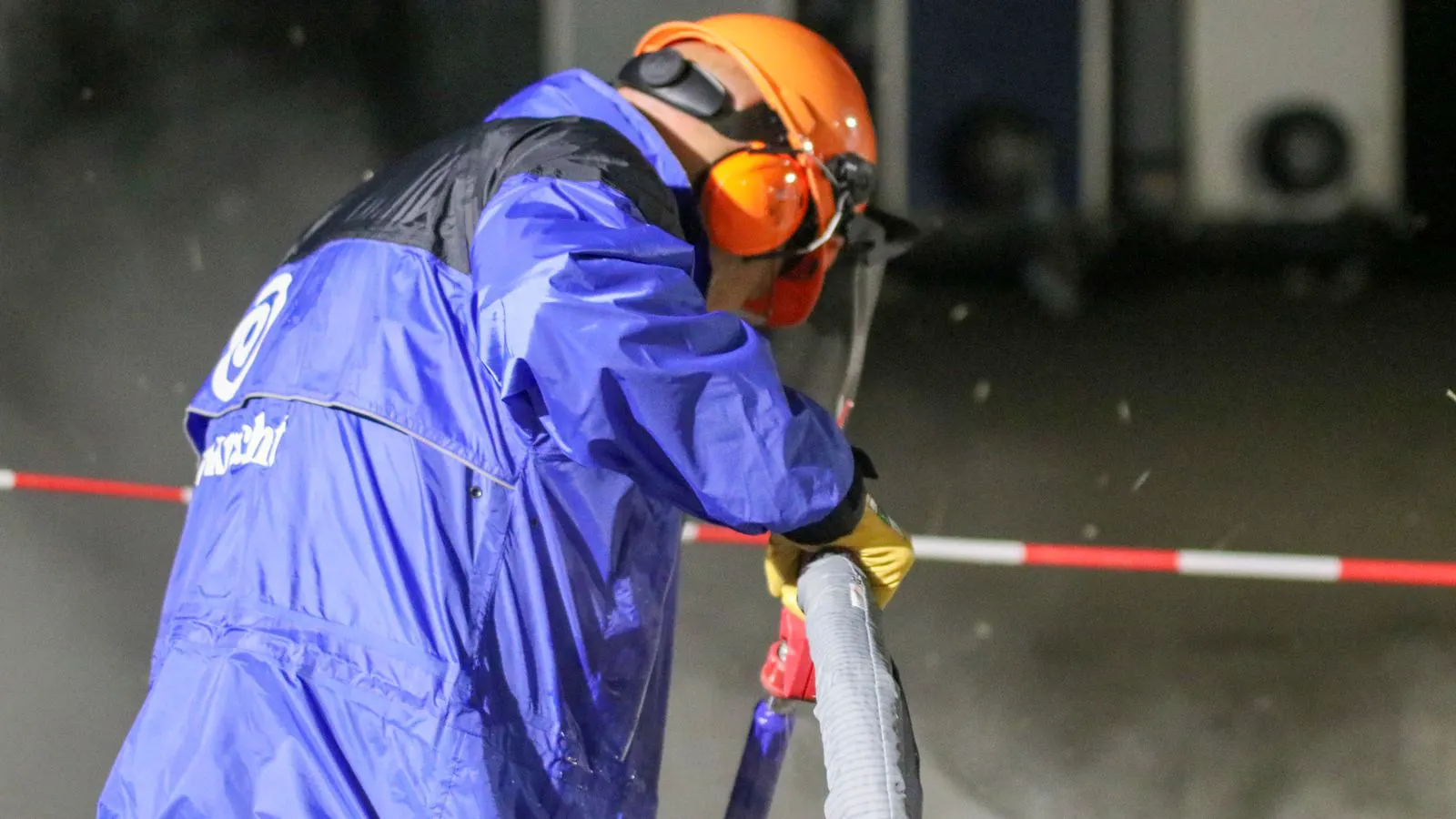
Industrial head and eye protection is essential for reducing workplace injuries in construction, manufacturing, and industrial environments. Learn how safety helmets, protective goggles, and safety glasses help protect workers, and discover practical tips for selecting the right PPE. Explore industrial safety products from SafeKraft India at www.safekraft.co.in.
Industrial Head and Eye Protection: A Practical Guide to Workplace Safety
Workplace safety is a priority for every construction company, manufacturing unit, warehouse, and industrial facility. Employees often work around machinery, moving materials, dust, sparks, and other potential hazards. Therefore, providing suitable personal protective equipment (PPE) is essential for reducing the risk of workplace injuries.
Among the most important types of PPE are industrial safety helmets, protective goggles, and safety glasses. These products help protect workers when selected according to the hazards present in their working environment. Moreover, regular inspections and proper training can improve the effectiveness of workplace safety programmes.
Why Is Head and Eye Protection Important?
Head and eye injuries can have serious consequences for workers and businesses. For example, falling objects may cause head injuries, while flying particles can damage the eyes during grinding, cutting, or drilling operations.
Similarly, chemical splashes, dust, and sparks can create additional risks in certain industrial environments. As a result, employers should identify workplace hazards before choosing protective equipment.
An effective safety programme includes suitable PPE, employee training, equipment maintenance, and clear safety procedures. In addition, workers should understand when and how to use each type of protective equipment.
Types of Industrial Head Protection
Industrial Safety Helmets
Industrial safety helmets are designed to help protect workers against specified head hazards, including impacts from falling objects. They are widely used in construction, engineering, manufacturing, and infrastructure projects.
However, different workplaces have different safety requirements. Therefore, businesses should select helmets based on their risk assessments and the applicable safety standards.
When choosing an industrial safety helmet, consider the following factors:
Suitable impact protection for the intended application
Correct fit and an adjustable suspension system
Comfort during extended working hours
Compatibility with face shields and hearing protection
Resistance to relevant environmental conditions
Manufacturer instructions and applicable certifications
Furthermore, workers should inspect their helmets regularly. Any helmet showing cracks, damage, or other defects should be removed from service according to the manufacturer’s instructions.
Head Protection for Construction Workers
Construction sites present several hazards, including falling materials, overhead work, and moving equipment. Consequently, selecting suitable head protection is an important part of construction site safety.
Employers should ensure that workers wear properly fitted helmets appropriate for their tasks. Where electrical hazards exist, the selected equipment must also provide the required level of electrical protection.
In addition, regular toolbox talks and safety inspections can help workers understand the importance of wearing their helmets consistently.
Types of Industrial Eye Protection
Safety Goggles
Industrial safety goggles provide eye protection against hazards such as dust, flying particles, and chemical splashes, depending on their design and rating. They are commonly used in laboratories, chemical handling, manufacturing, and selected maintenance operations.
When purchasing safety goggles, businesses should consider lens quality, fit, visibility, and suitability for the identified hazard. Anti-fog features may also be useful in certain working conditions.
Moreover, goggles should be cleaned and stored according to the manufacturer’s recommendations. Damaged lenses and poorly fitting equipment should be replaced when they can affect protection.
Industrial Safety Glasses
Industrial safety glasses are commonly used in workshops, assembly lines, factories, and maintenance departments. They help protect the eyes from specified hazards when the product has the appropriate protective rating.
For instance, workers performing certain cutting or grinding operations may require impact-rated safety glasses. However, tasks involving chemical splashes or fine dust may require goggles or additional protective equipment.
Therefore, employers should not assume that one type of eye protection is suitable for every industrial activity.
Face Shields and Combined Protection
Some industrial operations require protection for both the eyes and the face. In these situations, a suitable face shield can provide additional protection against certain sparks, splashes, and flying debris.
Nevertheless, face shields do not automatically replace safety glasses or goggles. Depending on the task, workers may need both primary eye protection and a face shield.
Similarly, welding requires specialised eye and face protection with the correct filter shade. Ordinary safety glasses are not a substitute for appropriate welding protection.
How to Choose the Right PPE
Selecting the correct personal protective equipment requires more than comparing prices. Businesses should evaluate workplace hazards, product specifications, comfort, and applicable safety requirements before making purchasing decisions.
Consider these practical steps:
Identify workplace hazards. Determine whether employees face impact, dust, chemical splashes, sparks, or electrical risks.
Select suitable products. Choose helmets, goggles, safety glasses, or face shields that match the identified hazards.
Verify applicable standards. Check relevant Indian or international standards and confirm product certification claims.
Check fit and comfort. Ensure that the equipment fits properly and works with other required PPE.
Train employees. Explain correct use, cleaning, inspection, and storage procedures.
Replace damaged equipment. Follow manufacturer instructions and remove defective products from service.
Review safety requirements regularly. Reassess PPE whenever workplace conditions or processes change.
By following these steps, organisations can make better purchasing decisions while supporting safer working conditions.
The Importance of a Reliable Industrial Safety Equipment Supplier
Choosing a suitable industrial safety equipment supplier can simplify PPE procurement for factories, construction companies, and engineering businesses. A reliable supplier should provide clear product specifications and relevant technical documentation to help buyers evaluate their options.
Furthermore, businesses purchasing equipment in bulk should consider product availability, consistency, application requirements, and after-sales support.
However, buyers should always verify whether a product meets the requirements of its intended application. A general product description alone is not sufficient to establish suitability for a particular workplace hazard.
SafeKraft India: Industrial Safety Products for Businesses
SafeKraft India Pvt. Ltd. supplies industrial safety products for businesses across India. Companies looking for workplace protection solutions can explore the available product range through the official website.
Visit SafeKraft India to learn more about industrial safety products and equipment for different workplace applications.
Before purchasing any safety helmet, goggles, or protective eyewear, businesses should review the product specifications and confirm that the equipment is suitable for their workplace risks.
Conclusion
Industrial head and eye protection plays an important role in workplace safety. Safety helmets, protective goggles, safety glasses, and face shields help reduce exposure to specific hazards when selected and used correctly.
Moreover, PPE works best when combined with employee training, routine inspections, and effective safety management. By identifying workplace risks and choosing suitable protective equipment, businesses can support a safer environment for their employees.
For industrial safety products and workplace protection solutions, visit www.safekraft.co.in.
Frequently Asked Questions
What is industrial head protection?
Industrial head protection includes safety helmets designed to help protect workers against specified head hazards, such as impacts from falling objects.
What is the difference between safety glasses and safety goggles?
Safety glasses generally have an open design around the eyes, while goggles fit more closely around them. The right option depends on the workplace hazards and the product’s protective rating.
Can a face shield replace safety goggles?
Not always. Some tasks require safety glasses or goggles underneath a suitable face shield to provide appropriate eye protection.
How often should safety helmets be replaced?
Replacement depends on the manufacturer’s instructions, service conditions, inspection results, and any impact or damage. Defective helmets should be removed from service.
Where can businesses find industrial safety products in India?
Businesses can explore industrial safety products through SafeKraft India and check the specifications of individual products before purchasing.
Contributed by safekraft-india-pvt-ltd. Views are the contributor’s own; we review submissions for relevance and quality.