MOQ vs Wholesale: Which Fits Your Needs

Choose wholesale PPE when you need consistent supply and predictable per-unit costs. Select MOQ-based buying when you require specific product configurations or have limited storage space. The right choice depends on your consumption rate, storage capacity, and need for customization.
- Wholesale pricing offers lower unit costs but requires committing to larger inventory volumes.
- MOQ-based buying provides flexibility for specialized items but often carries a higher per-unit price.
- Assess your storage capacity and consumption rate before committing to either model.
- Many buyers use a hybrid approach, combining wholesale staples with MOQ-based specialized PPE.
How Wholesale PPE Pricing Works
Wholesale PPE purchasing centers on volume discounts applied when you buy larger quantities at once. Suppliers typically offer tiered pricing structures where the per-unit cost decreases as your order size increases. For example, a box of cut-resistant gloves might cost more per pair when you buy twenty boxes, but the price per pair drops when you buy two hundred boxes.
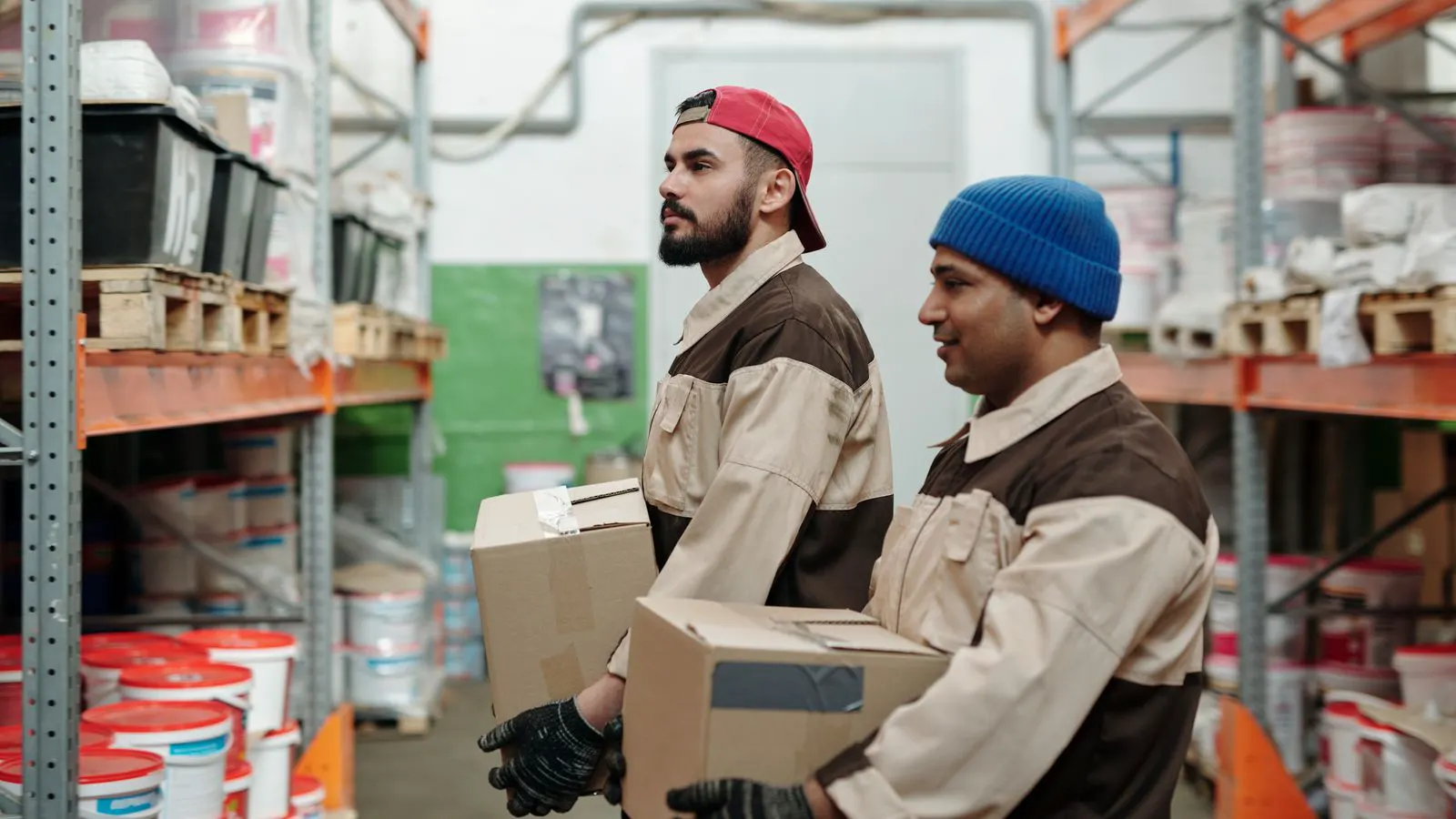
This model suits buyers who consume PPE steadily over time. Construction firms, manufacturing plants, and logistics operations often use this approach because their workers replace gloves, goggles, and hearing protectors at predictable rates. The key advantage is cost predictability. When you lock in a wholesale price with a supplier, you know what each unit will cost for the duration of that agreement.
However, wholesale pricing assumes you can store the inventory. A warehouse full of hard hats and safety vests takes up space. If your storage is limited, you may struggle to take advantage of the best wholesale rates. You also take on the risk of obsolescence. If a supplier changes the product design or if a new standard requires different PPE, your stored inventory may become less useful.
Understanding Minimum Order Quantity Models
MOQ-based buying is different from traditional wholesale. Here, the supplier sets a floor for the smallest order you can place. You pay the price associated with that minimum quantity, not necessarily a discounted wholesale rate. This model is common for specialized PPE or custom-branded items.
Consider a manufacturer that wants custom embroidery on their safety vests. The supplier may set an MOQ of 500 units because setting up the embroidery process requires a minimum run to be economically viable. You pay for 500 vests, and the price per vest reflects that setup cost. If you only need 200 vests, you cannot buy them through this supplier under this model. You would need to find a supplier with a lower MOQ or accept the higher per-unit cost.
MOQ models are useful when you need specific product configurations. Standard off-the-shelf PPE often has low or no MOQs, but specialized items like custom-sized hearing protectors or PPE with specific material compositions may have higher minimums. The trade-off is flexibility versus cost. You get exactly what you need, but you pay a premium for that precision.
Comparing the Two Approaches
The table below summarizes the key differences between wholesale PPE and MOQ-based buying.
| Option | Best for | Limitations |
|---|---|---|
| Wholesale PPE | High-volume, steady consumption, standard products | Requires significant storage space, risk of obsolescence, less flexibility for customization |
| MOQ-based buying | Specialized PPE, custom branding, low-to-moderate volumes | Higher per-unit cost, limited to items with defined minimums, longer lead times for custom runs |
| Hybrid approach | Mixed needs, balancing cost and flexibility | More complex procurement process, requires managing multiple supplier relationships |
| Spot buying | Emergency needs, small quantities | Highest per-unit cost, no price predictability, limited selection |
Wholesale PPE is the default for most industrial buyers. The volume discount is significant, and standard items like nitrile gloves, safety glasses, and steel-toe boots do not require customization. MOQ-based buying steps in when you need something specific. If your workers have different hand sizes and you need a range of glove sizes in small quantities, an MOQ model may fit better than forcing a wholesale purchase of one size.
When to Choose Wholesale PPE
Wholesale PPE is the right choice when your consumption is steady and your products are standard. If you replace 500 pairs of gloves every month, a wholesale agreement gives you the lowest cost per pair. You can negotiate payment terms, delivery schedules, and quality standards with the supplier. The relationship becomes transactional but efficient.
This approach also simplifies your procurement. You have one or two suppliers for your core PPE items. You do not need to constantly compare prices for small orders. Your purchasing team can focus on inventory management and compliance rather than sourcing. The main risk is supply chain disruption. If your sole supplier faces a production delay, your stock may run out. Many buyers mitigate this by keeping a small buffer stock or using a secondary supplier for critical items.
Wholesale pricing also scales well. As your operation grows, you can adjust your order quantities to match your increased consumption. If you open a new site, you can increase your wholesale order size and capture the next tier of discounts. This scalability is a major advantage over spot buying or small MOQ orders.
When to Choose MOQ-Based Buying
MOQ-based buying makes sense when you need specialized PPE that does not fit standard wholesale models. Custom-branded PPE is a common use case. If your company requires safety vests with your logo and specific color matching, you will likely face an MOQ. The supplier needs a minimum run to cover the setup costs for embroidery or printing.
Another scenario is when you have a diverse workforce with varying physical characteristics. If your workers need many glove sizes or hearing protector fits, a wholesale purchase of one size may not work. You may end up with excess inventory of sizes you do not need and shortages of sizes you do. An MOQ model allows you to order smaller quantities of specific sizes, even if the per-unit cost is higher.
MOQ-based buying is also useful for new product testing. If you are evaluating a new PPE product for your workforce, you may not want to commit to a full wholesale order. An MOQ order lets you test the product with a small group. If it performs well, you can then negotiate a wholesale agreement. If it does not, your loss is limited to the MOQ amount.
Practical Considerations for Buyers
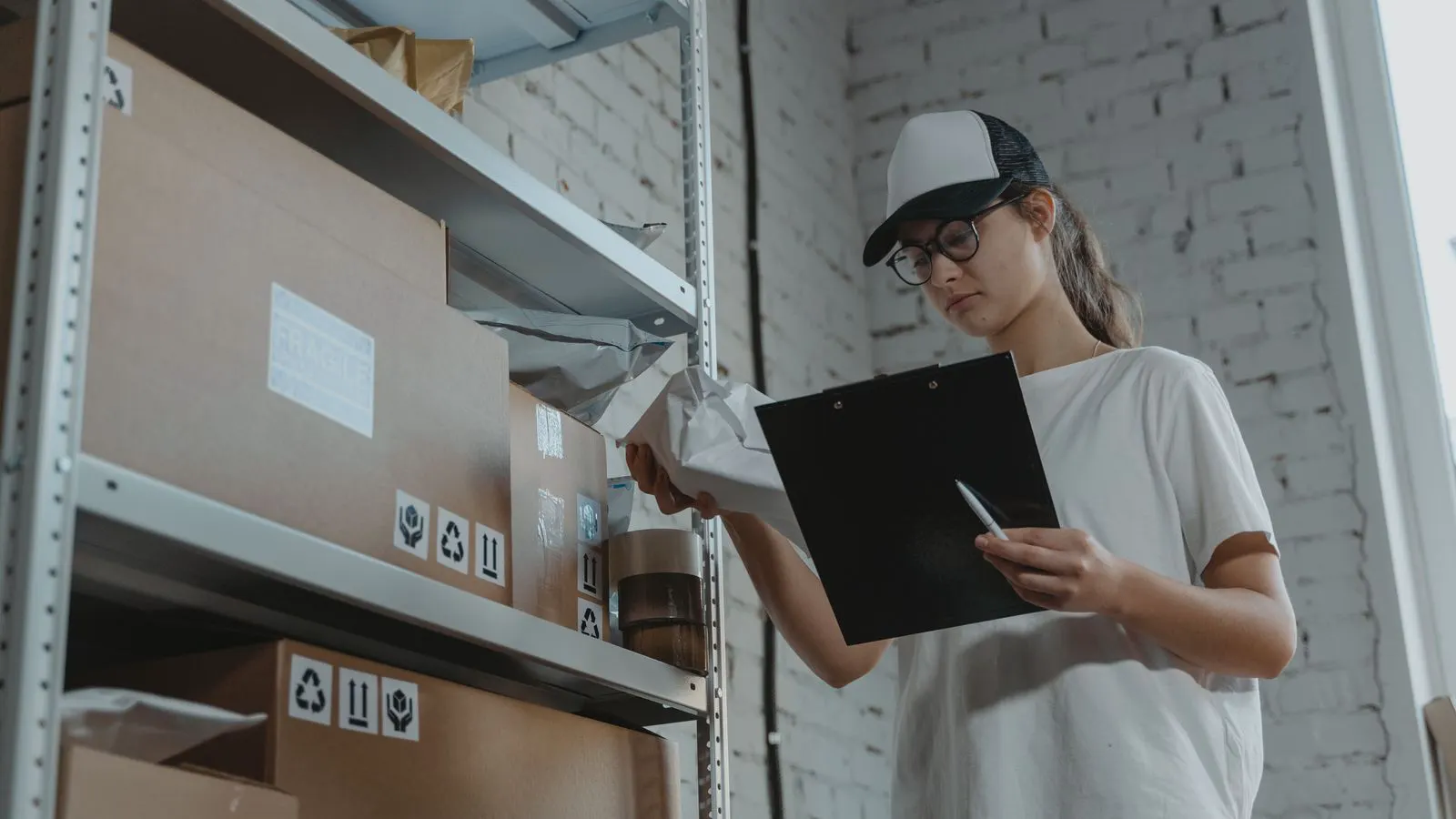
Before choosing a model, assess your storage capacity. Measure the space you have for PPE inventory. A wholesale order of 1,000 hard hats requires significantly more space than 100. If your storage is tight, you may need to accept a higher per-unit cost for smaller, more frequent orders.
Evaluate your consumption rate. If you use PPE slowly, wholesale pricing may lead to excess inventory that expires or degrades. Some PPE items, like certain types of gloves or face shields, have shelf life. Check the manufacturer specifications for shelf life and storage conditions. If you cannot use the inventory within the shelf life, do not buy it in bulk.
Consider your payment terms. Wholesale suppliers may offer net 30 or net 60 payment terms, which improve your cash flow. MOQ-based suppliers may require upfront payment, especially for custom orders. Factor this into your financial planning.
Finally, think about your supplier relationship. Wholesale relationships are often long-term and based on volume commitments. MOQ relationships may be more transactional. You may work with different suppliers for different PPE types. This can increase your procurement complexity but also reduces your dependency on a single supplier.
Common Mistakes to Avoid
A common mistake is buying wholesale without checking your actual consumption. Many buyers order based on projected needs that turn out to be too high. They end up with excess inventory that ties up capital and storage space. Track your PPE usage for at least three months before committing to a wholesale order. Use that data to negotiate your order quantities.
Another mistake is ignoring the lead time. Wholesale orders may take longer to process and deliver than spot buys. If you order a large quantity of safety boots in bulk, the production and shipping time may be several weeks. Plan your orders accordingly to avoid stockouts.
Some buyers also underestimate the cost of customization. If you want custom branding on your PPE, factor in the setup costs and the MOQ. The per-unit cost of custom PPE is often higher than standard PPE. Make sure the branding value justifies the premium.
Final Thoughts
There is no single best model for all buyers. Wholesale PPE works for high-volume, standard items with steady consumption. MOQ-based buying works for specialized, customized, or low-volume PPE. Many successful buyers use a hybrid approach, combining wholesale for their core items with MOQ-based orders for their specialized needs. The key is to match your purchasing model to your operational reality. Assess your storage, consumption, and customization needs. Then choose the model that gives you the best balance of cost, flexibility, and risk.
Frequently asked questions
Can I switch from wholesale to MOQ-based buying if my needs change?
Yes, you can adjust your purchasing strategy as your needs evolve. Many buyers start with wholesale for standard items and add MOQ-based orders for specialized PPE as their operation grows.
Do MOQ-based prices always cost more than wholesale?
Not necessarily. For very small quantities, an MOQ order may cost less than the equivalent wholesale order if you cannot meet the wholesale minimum. However, the per-unit cost is typically higher for MOQ-based custom items.
How do I negotiate MOQs with suppliers?
You can ask suppliers if they can reduce their MOQ for specific products or if they have alternative configurations with lower minimums. Some suppliers may agree to a higher per-unit price for a lower MOQ if it helps them secure your business.
Is there a way to reduce the risk of wholesale inventory obsolescence?
Yes, you can use just-in-time delivery or smaller, more frequent wholesale orders to reduce storage and obsolescence risk. You can also negotiate buy-back or return terms for slow-moving inventory with your supplier.
Do all PPE items have the same MOQs?
No, MOQs vary by product type and customization level. Standard off-the-shelf items often have low or no MOQs, while custom-branded or specialized items may have higher minimums. Always confirm the MOQ with the supplier before placing an order.