The Future of Smart Head Protection in Industrial Safety
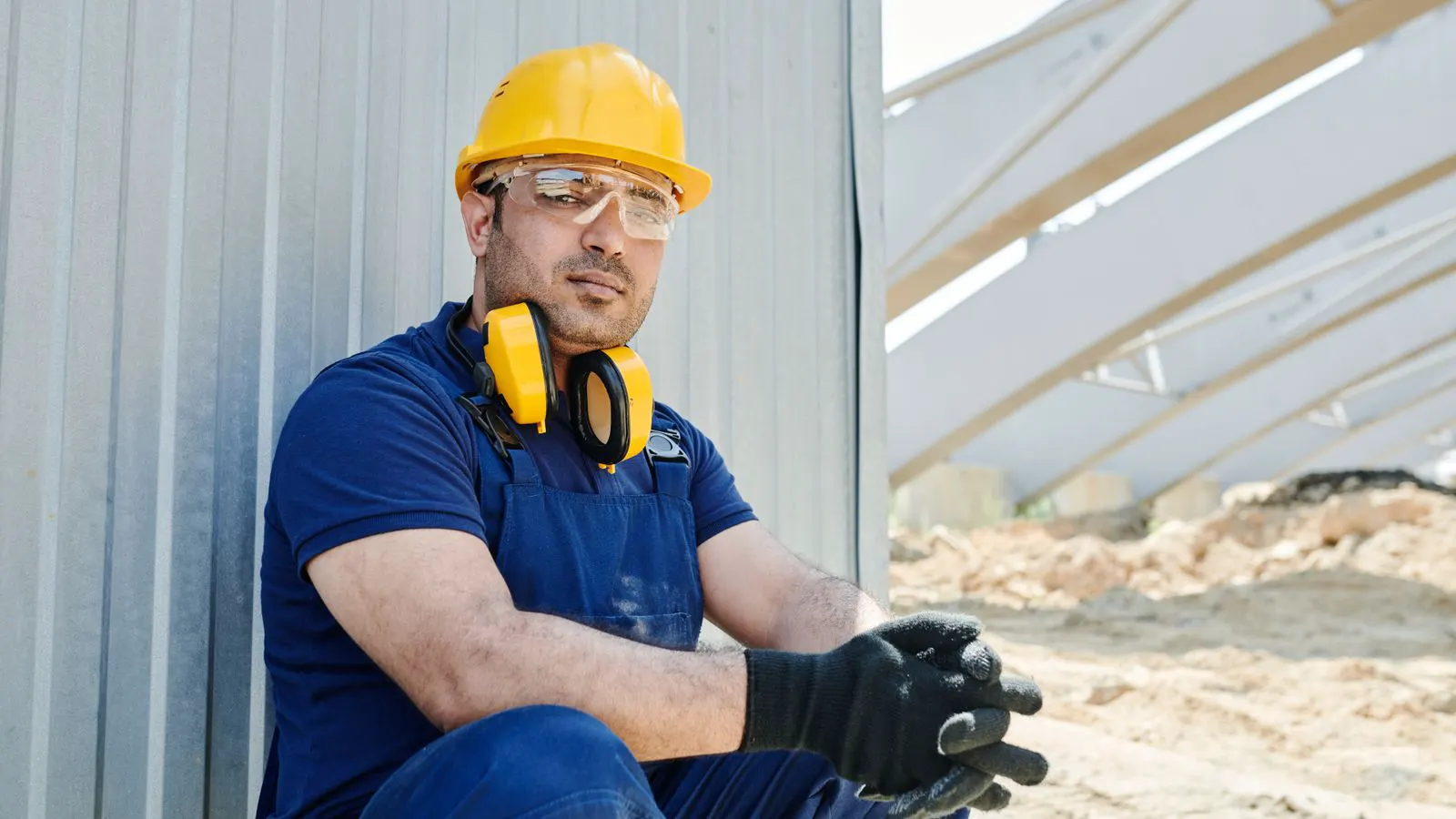
Smart helmets are moving from novelty to practical tools. They add sensors for impact detection, environmental monitoring, and worker tracking. Construction buyers need to plan for data integration, battery life, and privacy rules before adopting these systems.
- Smart head protection adds sensors for impact, temperature, and location tracking.
- Buyers must plan for data integration with existing site monitoring platforms.
- Battery life and maintenance routines are major practical concerns.
- Privacy and data ownership need clear rules before rollout.
- Pilot programs with specific hazard scenarios are the best adoption path.
What is changing in helmet design
Helmets used to be passive barriers. They stopped a falling beam or a swinging tool. Today, manufacturers are adding electronics inside the shell. These sensors can detect a hard impact, measure temperature, and report the worker’s location. The goal is not to replace the physical barrier. The goal is to give safety managers real-time data.
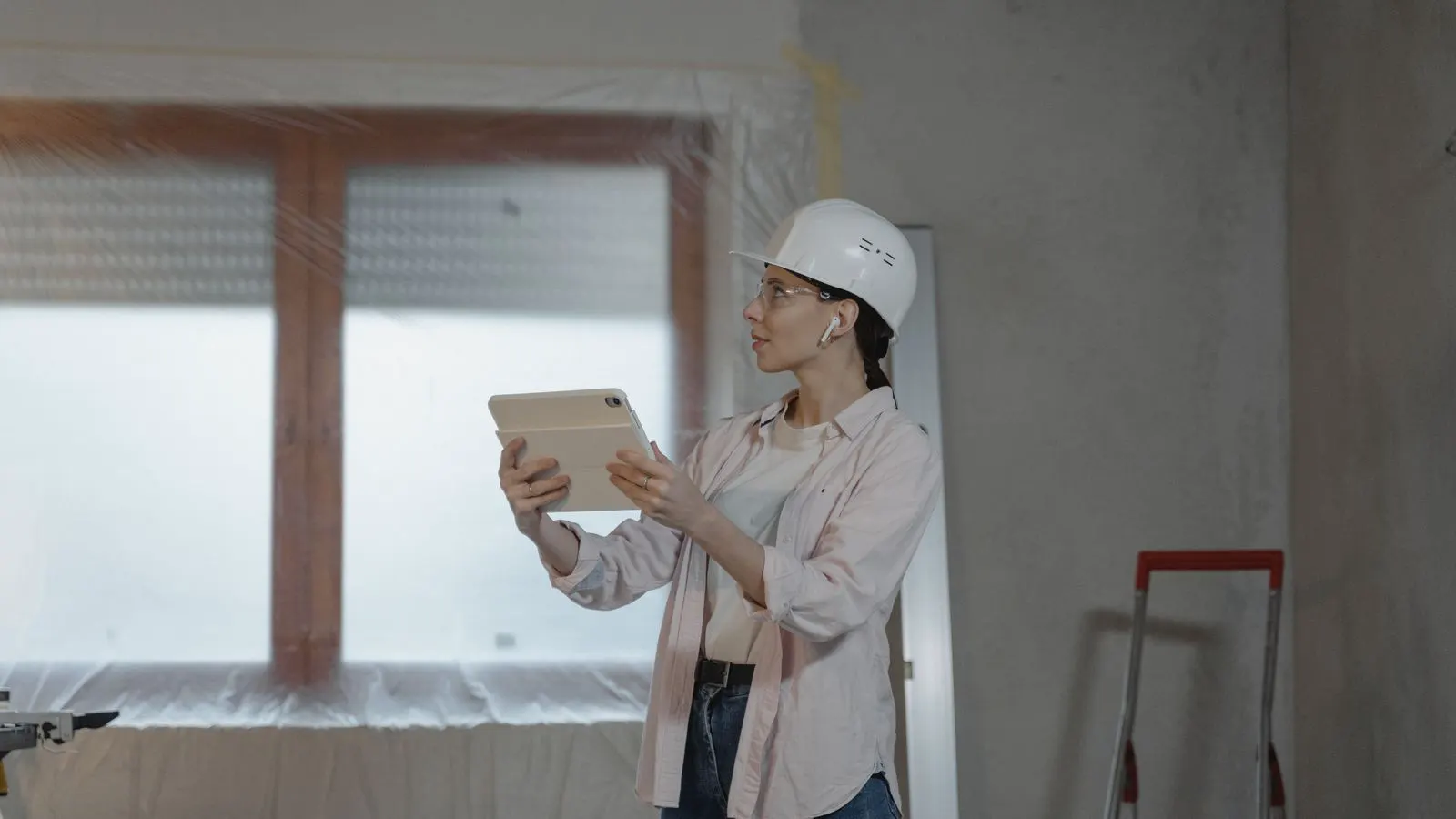
This shift changes how a site works. The helmet becomes a node in a network. It talks to a tablet in the site office or a cloud dashboard. When a worker enters a hot zone, the system flags it. When a worker takes a hard knock, the alarm sounds. The physical protection still matters. The data layer is new.
For procurement teams, this means the buying process is expanding. You are no longer just choosing a shell material and a chinstrap. You are choosing a platform. You are deciding which data feeds into your site monitoring software. You are setting up charging stations and backup power. The helmet is now part of an IT and safety infrastructure project.
Why construction sites are the first adopters
Construction sites have high hazard density. Workers move through different zones in a single shift. They handle heavy loads, operate machinery, and work at height. A fixed camera network is hard to install on a dynamic site. A worker-worn sensor moves with them. This coverage is difficult to replicate with fixed infrastructure.
Site monitoring is the main driver here. Managers want to know where a worker is without walking the floor. They want alerts when someone lingers in a confined space too long. They want to track fatigue or heat stress. Smart head protection helps with all three. The data is immediate. It is tied to the specific person, not just a generic zone.
There is also a compliance angle. Some jurisdictions are beginning to require electronic fall detection or impact logging. While standards are still forming, early adopters are preparing their workflows. They are building the habit of reviewing sensor data during daily safety meetings. They are training supervisors to act on alerts, not just ignore them.
The five shifts buyers should plan for
Understanding the technology is only half the job. The real work is organizational. Here are five shifts that will define adoption over the next few years.
- From PPE to Platform. The helmet is no longer a single item. It is a terminal for a network. Buyers need to evaluate the software ecosystem. Can the data export to your existing incident management system? Does it require a monthly subscription? What happens if the provider goes out of business?
- From Inspection to Maintenance. A hard hat was checked for cracks and replaced when worn. A smart helmet has batteries, lenses, and wiring. These wear out. You need a maintenance schedule. You need charging cabinets. You need a spare unit for every active worker. The total cost of ownership rises.
- From Safety to Data Science. You need people who can read the data. A supervisor who sees a heat stress alert needs to know what to do. Do you remove the worker from the zone? Do you send a medic? Do you just log the event? Without clear protocols, the data creates noise.
- From Individual to Team. Privacy is the biggest friction point. Workers will ask who owns the location data. Is it used for productivity tracking or only for safety? You need a clear policy. Transparency builds trust. Secrecy kills adoption.
- From Pilot to Fleet. Do not roll out to 500 workers on day one. Start with a small group. Test it on a specific task, like working near a crane. Measure the accuracy of the impact sensor. See how long the battery lasts in cold weather. Fix the bugs before you scale.
Practical hardware considerations
When you evaluate a smart head protection system, look at the physical components first. The electronics should not compromise the safety rating of the shell. The sensor package should be low profile. It should not block the worker’s peripheral vision. It should not add weight to the top of the head where balance is critical.
Battery life is the most common complaint. Most current devices offer a full shift, but not a double shift. If your workers are on 12-hour rotations, you need two sets of batteries or a hot-swap design. Charging infrastructure is a real cost. You need a secure room with power outlets. You need a plan for lost or stolen units.
Durability matters. Construction sites are harsh. Dust, mud, and rain will get into every seam. Look for devices with an IP-rated enclosure. Check the drop test specifications. If the sensor module is replaceable, that is a plus. If the whole unit is a single sealed box, repair costs will be high.
A comparison of deployment models
Different sites have different needs. The table below outlines three common ways to deploy these systems.
| Deployment Model | Best For | Key Advantage | Key Risk |
|---|---|---|---|
| Standalone Units | Small crews, remote sites | No central server needed | Limited data history |
| Site-Local Server | Large, complex sites | Real-time alerts, local control | Higher upfront IT cost |
| Cloud-Hosted Platform | Multi-site operators | Centralized analytics, easy updates | Internet dependency |
The standalone model is simple. The helmet sends data to a nearby tablet or phone. It works well for small projects where you do not have a dedicated IT team. The site-local server approach puts the data on a computer in the site office. This gives you immediate access without internet delays. The cloud model aggregates data from multiple sites. It is ideal for large contractors who want to compare safety metrics across different job sites.
How to start a pilot program
Do not buy 200 units. Buy 10. Pick a specific hazard. For example, choose the crew working on the third-floor slab pour. They deal with falling debris and heavy loads. Equip them with the smart head protection system. Give them one month to use it.
Track three things. First, battery performance. Does it die before the end of the shift? Second, alert accuracy. How many false positives do you get? Do workers start ignoring the alarms? Third, workflow impact. Does the worker need to stop work to check a notification? If the device creates friction, it will not stick.
Collect feedback from the workers. They will tell you what is annoying. The strap might be too tight. The screen might glare in the sun. The app might be slow. Use this feedback to refine your rollout plan. A successful pilot is not about zero failures. It is about learning how the technology fits into your daily routine.
Preparing for the data layer
The most overlooked part of this transition is the data itself. Once you have sensors, you have a stream of information. Who looks at it? How often? What triggers an action?
Create a simple dashboard. It should show current worker locations, active alerts, and battery status. Keep it clean. Do not clutter it with raw data streams. Define your response protocols. For a heat stress alert, the response is to move the worker to a shaded area and provide water. For a hard impact alert, the response is to check on the worker immediately.
Train your supervisors on these protocols. They need to understand that the data is a tool, not a replacement for observation. A supervisor who walks the site and talks to workers is still the best safety resource. The smart helmet extends their reach. It does not replace their judgment.
The path to full adoption
Adoption will be gradual. It will not happen overnight. You will see pockets of innovation in high-risk areas first. Then it will spread to general site operations. The technology is maturing. The hardware is getting smaller and cheaper. The software is getting smarter.
Your job as a buyer is to stay ready. Keep an eye on the market. Talk to suppliers. Ask about their roadmap. Understand the privacy regulations in your region. Prepare your IT infrastructure. When the time comes to scale, you will be ready. You will not be scrambling to find a charging cabinet or defining a data policy at 5 a.m. after a near-miss incident.
The future of head protection is connected. It is data-rich. It is proactive. By planning for these shifts now, you can turn a new technology into a genuine safety improvement.
Frequently asked questions
What is the biggest barrier to adopting smart head protection?
The main barrier is data management. Sites are not always ready to handle real-time streams of worker location and environmental data. They need clear protocols and IT support.
Do smart helmets replace traditional hard hats?
No. They are an add-on. The physical shell still provides the primary impact protection. The sensors add a layer of monitoring and alerting on top of the standard PPE.
How long does a typical smart helmet battery last?
Most current models are designed to last a standard 8-hour shift. For 12-hour shifts, you usually need a spare battery or a hot-swap design.
Is the data collected by these devices private?
It depends on your policy. Location and health data are sensitive. You must define who can access the data and how long it is stored. Clear rules are necessary to gain worker trust.
Can I integrate this with my existing safety software?
Many platforms offer API access or standard data exports. You should check for compatibility with your incident management system during the evaluation phase.