Safety Glasses Standards: A Guide for Procurement Teams
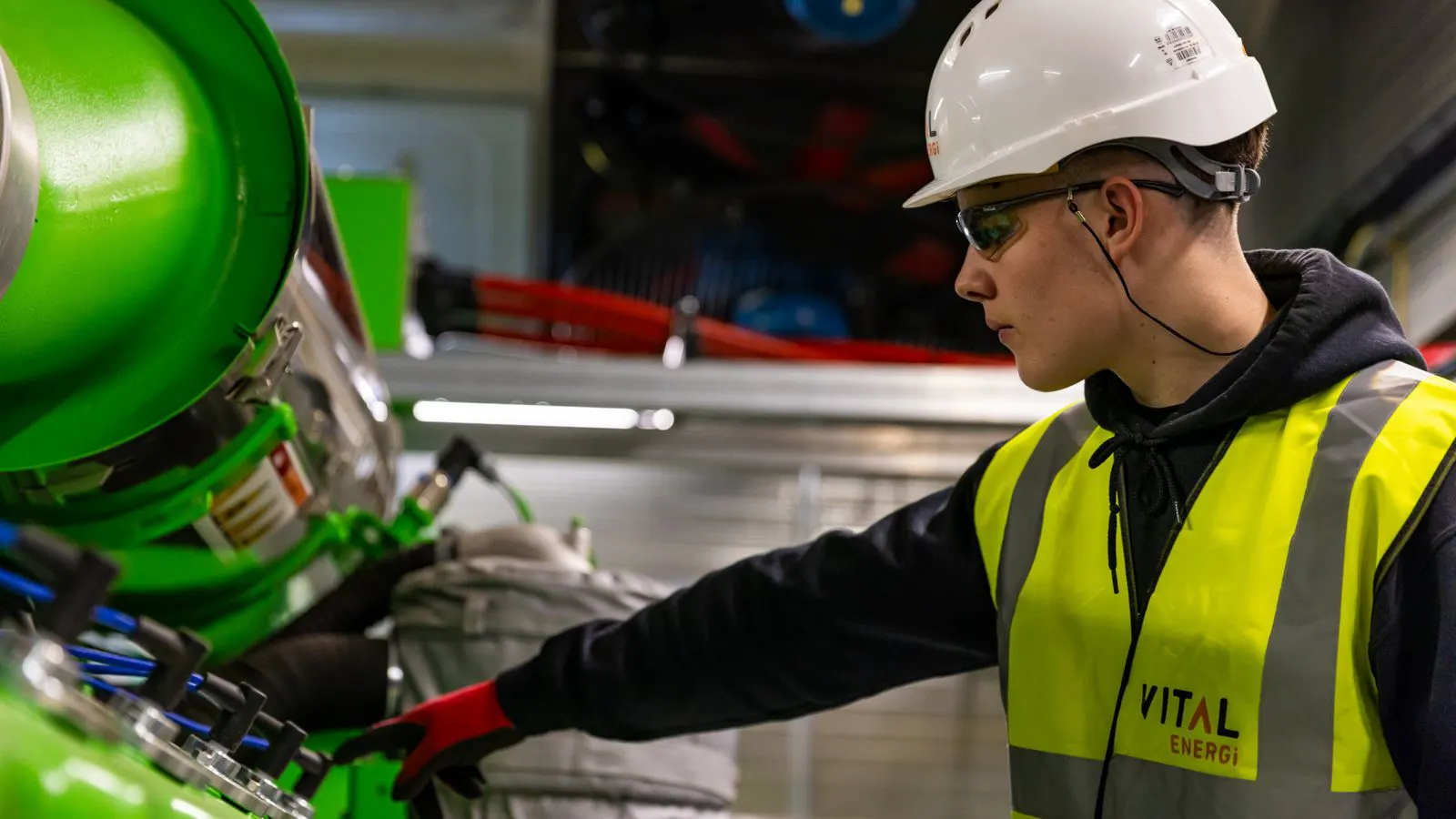
Safety glasses standards define optical PPE performance and compliance requirements. Procurement teams must verify impact ratings, lens materials, and side protection against specific hazard profiles to ensure worker safety and regulatory alignment.
- Match safety glasses standards to specific hazard profiles, including impact, chemical splash, and particulate exposure.
- Verify optical PPE documentation, including test reports and material certifications, during sourcing.
- Evaluate fit, side protection, and lens clarity as part of compliance requirements.
- Maintain a centralized PPE log to track lot numbers, expiration dates, and replacement schedules.
- Train end users on proper handling and inspection to maintain performance over time.
Why Standards Matter in Procurement
Procurement teams face a common challenge. They must select eyewear that meets site safety rules while balancing cost and user comfort. Safety glasses standards provide the framework for this decision. These standards define what the product must do, how it must be tested, and what documentation must accompany the shipment.
Without a clear understanding of these standards, buyers risk ordering products that fail in the field. A lens that passes a basic drop test may not withstand a chemical splash. A frame that fits well in the showroom may shift during heavy lifting. Standards close that gap by setting measurable performance thresholds.
This guide breaks down the technical requirements procurement teams must verify. It also outlines the evaluation criteria for sourcing compliant optical PPE. The focus is on practical checks, documentation review, and hazard matching.
What Do Safety Glasses Standards Actually Cover?
Safety glasses standards address multiple dimensions of performance. They cover impact resistance, chemical splash resistance, side protection, lens material, and optical quality. Each dimension has its own testing method and pass criteria.
Impact resistance is the baseline. Standards test the lens and frame under controlled force. The lens must not crack, and the frame must not shatter in a way that endangers the wearer. Testing often involves striking the lens with a steel ball or a pendulum hammer from a set height. The result must show no penetration or fragmentation. Buyers should not rely on the term “shatter-resistant” alone. They need the specific test method and the force level used in the validation.
Chemical splash standards use a specific liquid and apply it from a defined distance and angle. The lens must resist penetration and maintain clarity. Different standards may use water, acid, or alkali solutions. The concentration and exposure time vary by requirement. For example, a splash test might involve a specific volume of liquid sprayed from a nozzle at a set distance. The lens must remain intact and the frame must not degrade. If a site uses concentrated acids or strong solvents, the buyer must verify that the specific chemical is covered by the tested liquid or requires additional material compatibility data.
Side protection is often overlooked. Many standards require a minimum degree of peripheral coverage. This matters in environments where debris flies from the side, such as grinding or cutting operations. The side shields must be securely attached and must not detach under normal use. Some frames use integrated polycarbonate shields that wrap around the eye. Others use separate attachments that clip onto the frame. The buyer should inspect the attachment mechanism. A clip that loosens after a week of use creates a gap. A welded or molded connection is more reliable for high-impact zones.
Lens material determines optical performance. Polycarbonate lenses offer high impact resistance and good clarity. They are the default for most industrial settings. Glass lenses offer superior scratch resistance but have lower impact tolerance. Acrylic lenses are lightweight but scratch easily. Buyers must match material to the hazard. Polycarbonate is generally preferred for general trade work because it combines strength with weight advantages over glass. However, polycarbonate can scratch more easily than glass, which may be a consideration for tasks involving abrasive dust or fine metal shavings where constant cleaning and replacement are planned.
Optical quality includes distortion and magnification limits. A lens that warps the view can cause eye strain and reduce depth perception. Standards set limits on prism error and astigmatism. For tasks requiring precision, such as inspection or machine operation, these limits are stricter. A worker performing a visual inspection of a weld seam or a precision fit of a mechanical part needs clear, undistorted vision. If the lens introduces a slight magnification or a prism error, the worker may misjudge distances or sizes. This leads to errors in the work and increased fatigue over a long shift.
How to Match Standards to Site Hazards
The first step in sourcing is hazard identification. Walk the site. Talk to operators. Review incident reports. The hazard profile drives the standard selection. Do not assume that one size fits all. A warehouse worker handling cardboard and pallets has different needs than a machinist operating a CNC mill.
For general workshop tasks, basic impact-rated safety glasses may suffice. These tasks include material handling, light assembly, and general housekeeping. The primary risk is falling objects or minor impacts. A standard impact-rated pair with a polycarbonate lens is usually adequate. Ensure the frame is sturdy enough to withstand a drop on a concrete floor without breaking.
For grinding or metal finishing, side protection and chemical splash resistance become necessary. Grinding produces high-velocity particles that can fly in any direction. These particles can penetrate the lens or cause the frame to shatter. Side shields are non-negotiable in this context. some grinding processes use cooling fluids or cutting compounds that may be corrosive. The lens material must resist these fluids. If the site uses coolant that is alkaline or acidic, verify the chemical compatibility of the polycarbonate or glass used.
For laboratory or chemical handling areas, the standard must specify resistance to the specific chemicals used. A general splash rating may not cover concentrated acids or solvents. Some solvents can warp or dissolve certain plastic lenses. Glass lenses are often preferred in these environments because they are chemically inert. However, if the chemical is a strong base, even glass may degrade over time. The buyer must review the Safety Data Sheet for every chemical used on site and cross-reference it with the material compatibility data provided by the eyewear manufacturer.
Some tasks require more than safety glasses. Welding and grinding operations often require face shields. How to Select Face Shields for Welding and Grinding covers the specific requirements for that application. Safety glasses are often worn under face shields for added protection. The underlying safety glasses must still meet the minimum impact standard. When a face shield is used, it must fit over the safety glasses without creating a gap that allows debris to bypass the protection. The side shields of the safety glasses should align with the edge of the face shield.
For head protection, the interaction with hard hats matters. Hard Hat Types: Which Class Fits Your Site Hazards? explains the classes of headgear. When a worker wears both, the safety glasses must not interfere with the brim or the suspension. The side shields should not press against the hard hat shell in a way that creates a gap. If the side shields are too long, they may dig into the head under the hard hat. If they are too short, they may not provide adequate lateral coverage when the hard hat is worn. Try on the combination. The worker should be able to adjust the headgear without removing the eyewear.
Evaluation Criteria for Sourcing
When reviewing supplier proposals, use a structured checklist. The table below outlines the key criteria for evaluating optical PPE.
| Criterion | What to look for | Why it matters |
|---|---|---|
| Impact Rating | Verified drop test results per applicable standard | Prevents eye injury from flying debris |
| Chemical Resistance | Material compatibility data for site-specific chemicals | Protects against splash and vapor exposure |
| Side Protection | Minimum peripheral coverage angle and attachment method | Shields eyes from lateral hazards |
| Lens Material | Polycarbonate, glass, or acrylic with specified optical properties | Balances impact resistance, clarity, and durability |
| Optical Quality | Prism error and distortion limits within standard tolerances | Reduces eye strain and maintains depth perception |
| Fit and Comfort | Adjustable nose pads, secure frame, no pressure points | Encourages consistent use and reduces fatigue |
| Documentation | Test reports, material certificates, and compliance statements | Verifies product performance and supports audits |
Each criterion requires evidence. A supplier should provide a test report or a certificate of compliance that references the specific standard. If a supplier cannot provide documentation, treat the product as unverified. The risk falls on the buyer.
Look for test reports that include the date of testing and the laboratory name. A report that is outdated may not reflect the current production process. If the manufacturer changes a supplier for the lens material, the previous test report may no longer be valid. Ask for a certificate of conformity that is specific to the batch number of the product being purchased.
Chemical resistance data should be provided as a matrix. This matrix lists the chemicals, their concentrations, and the exposure times tested. If the site uses a proprietary mixture or a less common solvent, request a specific test or a material safety statement from the manufacturer. Do not assume that if a lens passed a water splash test, it will withstand a solvent splash.
Side protection evaluation requires visual inspection. Hold the frame up to the light. Look for any seams or weak points in the side shields. Bend the frame gently to check for flexibility. A rigid frame that does not flex may snap if it hits a hard surface. A frame that is too flexible may deform and lose its shape. The side shields should be securely bonded or riveted. If they are attached with clips, check the retention force. They should stay in place but be removable for cleaning.
Lens material selection involves a trade-off between impact resistance, scratch resistance, and chemical resistance. Polycarbonate is the industry standard for general use. It is tough and lightweight. However, it can be scratched by abrasive materials. If the site involves heavy dust or sand, consider a lens with a scratch-resistant coating. Glass is harder and resists scratches better, but it is heavier and can shatter. Acrylic is lighter than glass and cheaper, but it is not as impact-resistant as polycarbonate. Match the material to the dominant hazard.
Optical quality checks involve looking through the lens. Check for distortion by looking at a straight line, such as a ruler or a wall edge. If the line appears curved or bent, the lens has a high prism error. This is unacceptable for precision work. For general tasks, a small amount of distortion may be tolerable, but it can cause eye strain over time. Ask the supplier for the prism error and astigmatism values. Compare these against the standard limits.
Fit and comfort are often underestimated. If the eyewear is uncomfortable, workers will remove it. This creates a safety gap. Look for adjustable nose pads. Static nose pads often do not fit all face shapes. Adjustable pads allow the frame to sit closer to the eyes, reducing peripheral vision loss and increasing protection. Check the temple arms. They should have a slight curve to wrap around the head. This prevents the glasses from sliding off during movement. The frame should not press on the bridge of the nose or the cheeks. Pressure points cause fatigue and may lead to the eyewear being removed.
Compliance Requirements and Documentation
Compliance requirements extend beyond the product itself. They include traceability and labeling. Each pair of safety glasses should have a label indicating the standard it meets, the impact rating, and the manufacturer details. Some sites require batch or lot numbers for quality tracking.
The label should be permanent and not easily removed. A sticker that peels off in the wash or gets scratched away is not sufficient. The standard number, impact rating, and manufacturer name should be clearly visible. Some standards require a specific symbol or mark on the lens or frame. Verify that the product meets the labeling requirements of the standard it claims to follow.
Procurement teams should request a certificate of conformity for each shipment. This document confirms that the specific lot was tested and passed. It should be retained with the purchase order and the site safety file. If an incident occurs, this documentation proves due diligence.
The certificate of conformity should include the date of manufacture or shipment, the batch number, the standard tested, and the test results. It should be signed by an authorized representative of the manufacturer or the testing laboratory. Keep these documents in a safe and accessible location. They may be required during an audit or an incident investigation.
Regulatory compliance varies by jurisdiction. Some regions have mandatory minimum standards for specific industries. Others rely on voluntary standards that are widely accepted. Check local regulations before finalizing the purchase. The standard selected must meet or exceed the local legal minimum.
In many jurisdictions, the employer is responsible for ensuring that PPE meets the applicable standards. This includes verifying that the PPE is suitable for the hazard. If the standard used is higher than the legal minimum, this is generally acceptable and often recommended. However, using a standard that is lower than the legal minimum is non-compliant.
Storage and maintenance are part of compliance. Safety glasses are not consumables, but they do degrade. Scratches reduce clarity and can harbor contaminants. UV exposure can weaken polycarbonate lenses over time. Establish a routine inspection protocol. Workers should inspect their eyewear before each shift. Replace lenses or frames when damage is detected.
Create a storage plan for issued eyewear. Keep them in a clean, dry place. Avoid leaving them in direct sunlight or in high-temperature areas, such as near a heater or in a vehicle on a hot day. Provide cleaning supplies, such as microfiber cloths and a lens cleaning solution. Do not use household cleaners, as they may damage the lens coating.
Practical Checks Before Finalizing a Purchase
Before signing a purchase order, run a practical evaluation. Request a sample unit. Test it in the actual work environment. Have an operator wear the sample for a full shift. Note any fit issues, visibility problems, or discomfort.
Do not rely on a short trial period. A full shift reveals issues that a brief try-on does not. The operator may sweat, causing the frame to slip. They may bend over or lift overhead, causing the temples to press against the head. They may work in bright light, causing glare. Note all observations. Ask the operator for feedback. They are the end user and will identify problems that the buyer might miss.
Check the side shields. Ensure they do not obstruct the field of view. Verify that the nose pads remain in place during movement. Test the temple arms for tension. They should be secure but not painful. If the temple arms are too tight, they will cause headaches. If they are too loose, the glasses will slide down the nose.
Review the supplier’s return policy. If the sample fails in the field, you need a clear path to replacement. Do not rely on verbal assurances. Get the terms in writing. The terms should cover the timeframe for returns, the condition of the returned item, and the replacement process.
Consider the total cost of ownership. A cheaper pair that requires frequent replacement due to poor durability costs more over time. Factor in replacement frequency, cleaning supplies, and storage. The initial price is only one part of the equation. Calculate the cost per pair per year, including maintenance and replacement. This helps in comparing different options.
Also consider the availability of replacement parts. If the nose pads wear out or a temple arm breaks, can you replace just that part? Or do you need to buy a whole new pair? Having spare parts on hand can reduce downtime and cost. Ask the supplier about the availability of spare parts for the selected model.
Decision Checklist
Use this checklist to verify your selection before ordering.
- Confirm the hazard profile and match it to the correct safety glasses standards.
- Verify impact, chemical, and side protection ratings against site requirements.
- Review supplier documentation, including test reports and compliance certificates.
- Evaluate lens material and optical quality for the specific tasks.
- Test a sample unit with end users in the actual work environment.
- Confirm fit, comfort, and compatibility with other PPE, such as hard hats or face shields.
- Establish a maintenance and replacement protocol for the selected eyewear.
Frequently asked questions
What is the difference between safety glasses and goggles?
Safety glasses offer basic impact protection and are often open at the sides. Goggles provide a seal around the eyes and offer better chemical splash protection. The choice depends on the specific hazard and task.
Do I need to buy separate safety glasses for different hazards?
Yes. A pair rated for impact may not be sufficient for chemical splash. Matching the standard to the hazard is a core procurement requirement.
How long do safety glasses last?
Lifespan depends on usage and material. Polycarbonate lenses can last several years with proper care. Regular inspection and prompt replacement of damaged units extend the effective life.
Can I use any safety glasses with a hard hat?
No. The side shields must not interfere with the hard hat brim or create gaps. Fit testing with the full PPE combination is recommended.
Where do I find the test reports?
Request them from the supplier during the sourcing process. A compliant supplier should provide test reports or certificates of conformity for each lot.